

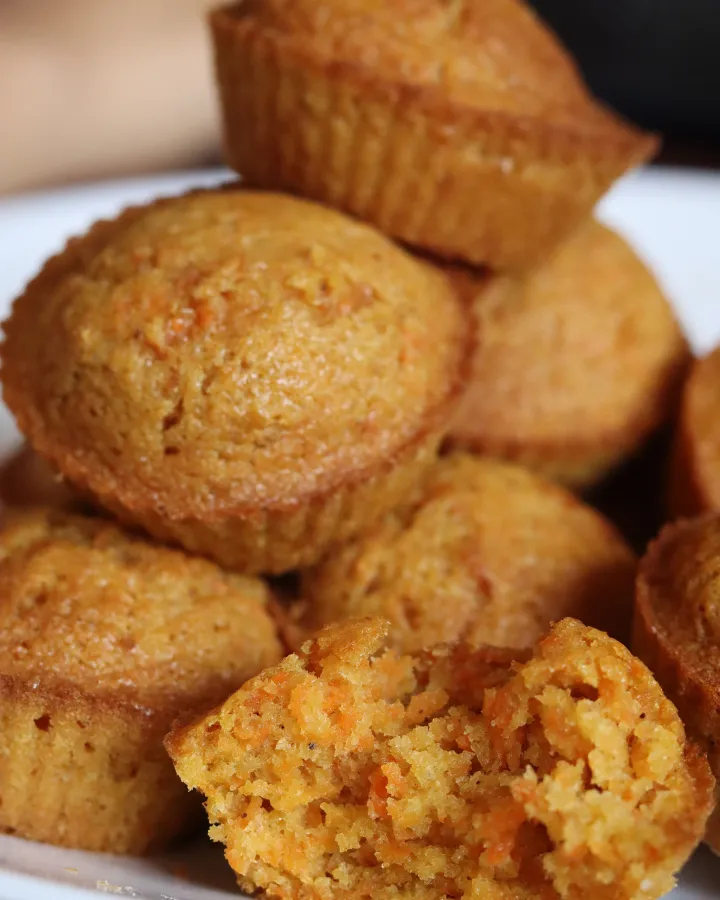
I skipped preheating for about a year. It felt like a step invented by appliance manuals, and my chicken thighs never seemed to care. Then I started baking in the thing, and the first few batches of muffins came out squat and heavy, with a texture closer to a scone than a muffin. Same recipe I had used in the oven for years. I blamed the flour, the baking powder, the machine, and eventually the recipe itself.
What actually happened is that I was letting the batter sit in a cold basket for four minutes while the air fryer worked its way up to temperature, and by the time it got there, the chemistry that was supposed to lift those muffins had already been and gone. Preheating for savory food is a nice-to-have. For anything with baking powder or baking soda in it, it is doing something specific and time-sensitive, and skipping it costs you rise you cannot get back.
Quick answer: Yes, preheat for baking. Anything with a chemical leavener, so cakes, muffins, quick breads, cookies, scones and canned dough, wants a hot chamber the moment it goes in. Three minutes for a basket model, five for an oven-style one, at the temperature you are baking at. The exceptions are solidly frozen food, very long bakes, and delicate tops that scorch, all covered below.
The short answer, split by what you are making
Most pages answer this with a flat yes or a flat no, which is why the advice feels contradictory when you read three of them. It genuinely depends on what is going in the basket.
| What you are baking | Preheat? | Why |
|---|---|---|
| Muffins, cupcakes, quick breads | Yes, always | Chemical leavening is on a clock |
| Cakes | Yes | Even rise depends on stable heat |
| Cookies | Yes | Controls spread. A cold start flattens them |
| Canned biscuits, rolls, croissants | Yes | Cold dough needs the shock to layer and lift |
| Yeast breads | Yes, 5 min | Oven spring happens in the first minutes or not at all |
| Scones & shortcrust | Yes | Cold butter must hit hot air to make steam pockets |
| Brownies & dense bars | Optional | Little leavening, long bake. It self-corrects |
| Cheesecake & custards | No | Gentle, gradual heat is the whole point |
| Anything solidly frozen | No | A cold start lets the center catch up |
| Reheating baked goods | No | You are warming, not baking |
Why baking cares about this and roast potatoes do not
A chicken thigh does not have a deadline. It cooks when it gets hot, whether that happens now or in four minutes, and the extra time in a warming basket costs you nothing except patience.
Batter is different, and the reason is chemistry with a stopwatch attached.
The leavening clock
Baking soda starts producing carbon dioxide the moment it meets liquid and acid in your bowl. Baking powder is usually double-acting, which means it gives one burst of gas when it gets wet and a second, bigger one when it gets hot. That second burst is the one doing most of the lifting in your muffins.
Here is the part that matters. Those gas bubbles only lift your bake if the structure around them sets while they are still expanding. Protein and starch need heat to firm up into a scaffold that holds the bubbles in place. Get the heat there fast, and the bubbles expand into a set structure. Get it there slowly, and the gas escapes through still-liquid batter before there is anything to trap it.
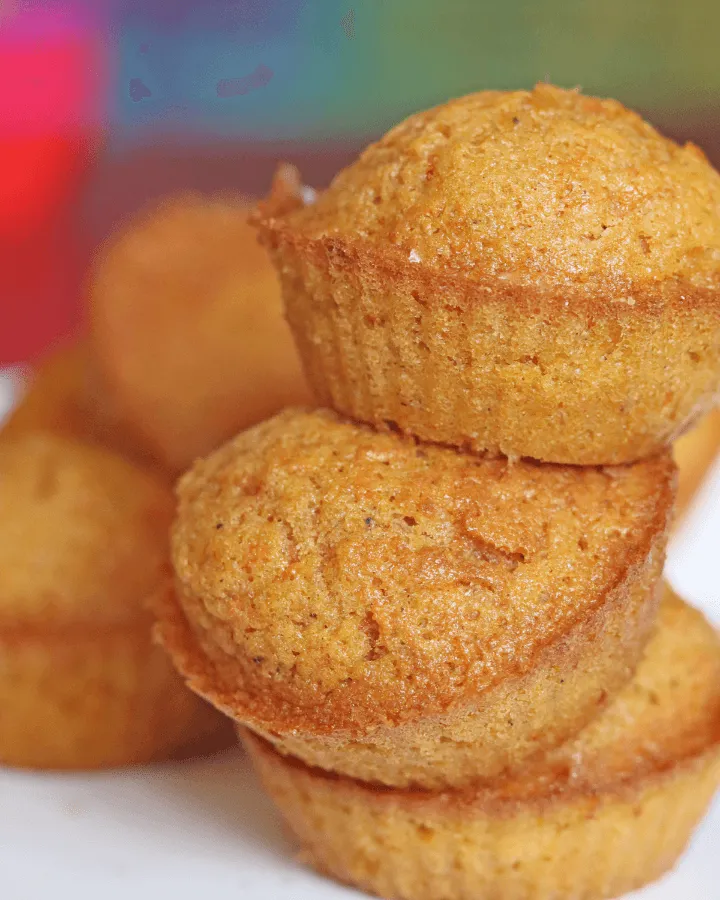
Sitting in a cold basket for three or four minutes is exactly the wrong thing. The batter is warm enough to keep releasing gas but nowhere near hot enough to set, so you lose the lift and then bake what is left. That is where a squat, dense, slightly tough muffin comes from, and no amount of extra baking time brings it back.
Cold butter needs hot air
The other mechanism worth knowing about is steam. Scones, shortcrust, puff pastry, croissants and biscuits all rely on solid pieces of cold butter hitting hot air. The butter melts fast and the water inside it flashes to steam, pushing the dough apart into layers and pockets.
In a cold basket, that butter just gradually softens and soaks into the flour before any steam gets made. You get a dense, greasy result instead of a flaky one. This is why canned cinnamon rolls and biscuits behave so much better going into a properly hot machine.
Three times you should not preheat
This is the part the generic advice misses, and getting it wrong makes your food worse rather than just slightly different.
1. Anything solidly frozen
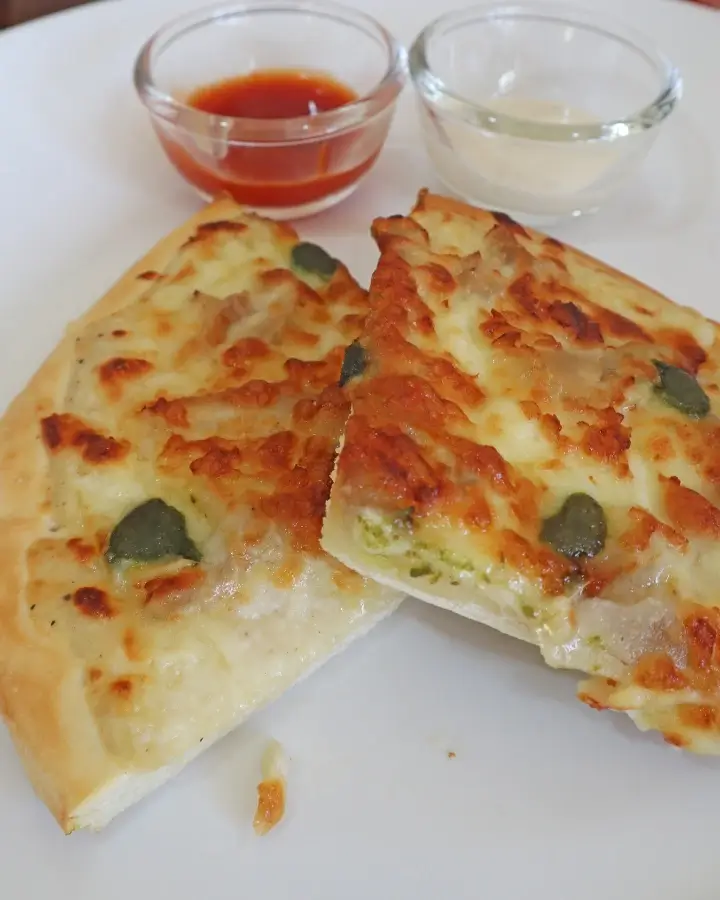
This one is counterintuitive enough that it is worth stating plainly: do not preheat for frozen food. A frozen item has a huge gap between its surface and its core, and a hot chamber widens that gap by browning the outside while the middle is still ice. A cold start lets the machine and the food warm up together, which gives the center a head start and narrows the gap.
It applies to frozen pizza, frozen burgers, frozen patties, frozen pastries, and frozen bread dough. The only exception is thin frozen items that cook in under six minutes, where there is not really a gap to worry about.
2. Long, gentle bakes
If something is baking for 30 minutes or more at a low temperature, a cheesecake or a dense loaf for example, the three minutes of ramp-up is a small fraction of the total and the bake self-corrects. Custards actively prefer the gradual approach, since a hot chamber sets the outside edge before the center has warmed at all.
3. When the top is the vulnerable part
A preheated air fryer has a genuinely hot element right above your food. On something delicate with a thin, sugary or exposed top, that first blast can set or scorch the surface before the bake has risen. If your machine runs hot and you have had tops darken too early, starting cold buys you a couple of forgiving minutes. Our guide on preventing burning in the air fryer covers the foil tent that solves this without giving up the preheat.
How long to preheat, by machine
Air fryers are small, so this is fast. Bigger chamber, longer wait.
| Machine | Preheat | Notes |
|---|---|---|
| Small basket, 2 to 4 qt | 2 to 3 min | Heats fastest. Also loses heat fastest when opened |
| Standard basket, 5 to 6 qt | 3 min | The default for most recipes on this site |
| Large basket, 8 qt+ | 4 min | More air to bring up to temperature |
| Dual-basket models | 3 to 4 min | Preheat both zones if using both |
| Oven-style air fryer | 5 min | Much bigger cavity. Do not shortcut this |
| Any machine, for bread | 5 min | Yeast bread wants the chamber properly saturated with heat |
A useful habit: start the preheat before you start mixing, not after. By the time the batter is in the cups, the machine is ready and the leavening has not been sitting around waiting.
Your air fryer's preheat beep is probably lying
This is the thing almost nobody mentions, and it explains a lot of inconsistent results.
Most air fryers with a preheat function do not measure the air temperature and tell you when it is reached. They run the element for a fixed number of minutes and then beep. That fixed number is usually tuned for a mid-range temperature, so if you are preheating to 380°F it may well beep while the chamber is still noticeably cooler than that, particularly on a cold day or with a cold basket that was just washed.
Two practical consequences:
- Give it another 60 to 90 seconds past the beep when you are baking something leavening-dependent. It costs nothing and it closes the gap.
- Do not preheat with the basket out and then slide a cold basket in. The basket is a chunk of metal, and putting a cold one into a hot chamber drops the temperature immediately. Preheat with the basket in place, empty.
If you want to know what your specific machine actually does, put an oven thermometer in the basket and watch it through a preheat cycle. Most people find the beep lands somewhere between 10 and 25 degrees short. Once you know your machine's number, you can just account for it.
Preheat at the baking temperature, not higher
There is a tempting shortcut here: preheat hot, then drop the dial to your baking temperature when the food goes in. It seems like it should get you to temperature faster.
Do not do it for baking. The heating element and the metal around it hold real heat, and they keep radiating at the higher temperature for several minutes after you turn the dial down. Your batter goes in and takes a blast well above what the recipe wanted, right at the moment its surface is setting. You get a browned or domed-and-cracked top over an underbaked middle.
Preheat at the temperature you intend to bake at. If that is 320°F for a cake, preheat at 320°F.
Not sure what temperature you should be baking at in the first place? That is the more common problem, honestly. If you are working from an oven recipe, run the numbers through our air fryer calculator before you preheat, since the whole point is to preheat at the temperature you will actually bake at. Get the conversion first, set the machine to that, then preheat. Our baking times and temps chart has the common bakes already worked out if you would rather look it up than convert.
What skipping the preheat actually costs you
Not everything suffers equally, and it is worth knowing where it genuinely matters:
| Bake | If you skip it | How bad |
|---|---|---|
| Muffins & cupcakes | Flat tops, dense crumb, no dome | Significant |
| Cookies | Spread too far, thin and crisp-hard | Significant |
| Canned biscuits & rolls | Fewer layers, greasy rather than flaky | Significant |
| Yeast bread | Poor oven spring, tighter crumb | Significant |
| Scones | Butter melts in instead of steaming | Noticeable |
| Cakes | Slightly less rise, usually fine | Mild |
| Brownies | Add 2 min, basically no difference | Negligible |
| Anything frozen | Actually better without | Skip on purpose |
Never overcook again
Get our one-page times & temps cheat sheet, plus a new tested recipe each week.
No spam · unsubscribe anytime
Preheating safely, which mostly means one rule
The rule: never preheat with anything loose in the basket. An empty air fryer running at 380°F has a strong fan and nothing weighing anything down.
- No parchment during the preheat. This is the big one. A sheet of parchment with no food on it will lift, hit the heating element, and scorch or catch. Parchment goes in with the food on top of it, never before. The full rules are in our guide to foil and parchment in the air fryer.
- No empty silicone molds either. Same problem, less obvious. An empty mold weighs almost nothing. Details in our guide on using silicone molds in an air fryer.
- Basket in, empty. Preheat with the basket seated in the machine so the metal comes up to temperature with the air. A cold basket sliding into a hot chamber undoes part of the preheat.
- Clear the crumbs first. Leftover crumbs from the last cook will smoke during a preheat, and that smell ends up in your muffins.
- Do not preheat an empty machine for ten minutes "to be sure." It stresses the element and does nothing useful past the five-minute mark.
How to preheat properly, start to finish
- Work out your baking temperature first. Convert the oven recipe or look it up, because you want to preheat at the temperature you will actually bake at, not near it.
- Empty the basket and check for crumbs. Ten seconds, and it saves your bake tasting of last night's dinner.
- Put the empty basket back in and start the preheat. Nothing loose inside, no parchment, no liners, no molds.
- Start mixing while it heats. This is the whole trick to making preheating painless. By the time the batter is portioned, the machine is ready, and the leavening has not been sitting in a bowl losing its lift.
- Give it 60 to 90 seconds past the beep for anything leavened. Your machine most likely beeps on a timer rather than a thermometer.
- Load fast and close it. Every second the drawer is open, the chamber temperature drops. Have your pan or cups ready to go in one movement rather than arranging things inside a hot basket.
- Start the bake timer once the drawer is shut, not when you started loading.

Frequently asked questions
QDo you need to preheat an air fryer for baking?
Yes, for anything with a chemical leavener: cakes, muffins, quick breads, cookies, scones and canned dough. Three minutes for a basket model, five for an oven-style one, at the temperature you plan to bake at. Baking soda and powder release their lifting gas on a timer, and if the batter sits in a slowly warming basket, that gas escapes before the structure sets.
QHow long should you preheat an air fryer?
Two to three minutes for a small basket, three for a standard 5 to 6 quart, four for an 8 quart or larger, and five for an oven-style model or for yeast bread. Then add 60 to 90 seconds past the beep for leavened bakes, because most machines beep on a fixed timer rather than an actual temperature reading.
QWhat happens if you do not preheat an air fryer for baking?
It depends what you are baking:
- Muffins and cupcakes come out flat and dense with no dome.
- Cookies spread further and bake thin.
- Canned biscuits and rolls lose their layers and turn greasy.
- Yeast bread gets poor oven spring and a tighter crumb.
- Brownies and dense bars barely notice; add two minutes.
QShould you preheat an air fryer for frozen food?
No, and this is the main exception. A frozen item already has a big gap between its hot surface and frozen core, and a preheated chamber widens it by browning the outside while the middle is still ice. Starting cold lets the food and machine warm together, giving the center a head start. Thin frozen items that cook in under six minutes are the exception to the exception.
QWhy does preheating matter more for baking than for cooking?
Because batter is on a clock and a chicken thigh is not. Baking soda and double-acting baking powder release carbon dioxide when they get wet and again when they get hot, and those bubbles only lift your bake if the surrounding structure sets while they are still expanding. Slow heat means the gas escapes through liquid batter with nothing to trap it. Meat has no equivalent deadline.
QIs my air fryer actually at temperature when it beeps?
Often not. Most air fryers run the element for a fixed number of minutes and then beep, rather than measuring the air and telling you when it is there. That timer is usually calibrated for a mid-range temperature, so a preheat to 380°F frequently beeps 10 to 25 degrees short. Add 60 to 90 seconds for leavened bakes, or put an oven thermometer in the basket once to learn your machine's actual gap.
QCan I preheat at a higher temperature to speed it up?
Not for baking. The element and surrounding metal hold heat and keep radiating at the higher temperature for several minutes after you turn the dial down, so your batter takes a blast well above what the recipe intended right as its surface is setting. That gives you a browned or cracked top over an underbaked middle. Preheat at the temperature you are going to bake at.
QCan you put parchment paper in during the preheat?
No. An empty air fryer has a strong fan and nothing holding the paper down, so parchment will lift, contact the heating element, and scorch or catch fire. Parchment always goes in with food already sitting on top of it. The same applies to empty silicone molds and loose liners, which weigh almost nothing.
QShould the basket be in the air fryer while it preheats?
Yes, empty and seated in place. The basket is a solid piece of metal, and if you preheat without it and then slide a room-temperature basket in, it pulls heat straight back out of the chamber and partly undoes the preheat. Let the basket come up to temperature with the air.
QDo you preheat for cheesecake or custard?
No. Egg-set desserts want gentle, gradual heat, and a hot chamber sets the outer edge before the center has warmed at all, which is how you get a cracked top with a loose middle. Start cold and low. This is the opposite of what you do for muffins, which is a good illustration that preheating is a tool rather than a rule.
QDoes preheating waste electricity?
Barely. An air fryer draws roughly 1,400 to 1,800 watts, so three minutes of preheating uses somewhere around 0.08 kilowatt hours, which is a fraction of a cent to a couple of cents depending on your rates. It is a rounding error next to running a full oven, and considerably cheaper than a failed batch of muffins.
QMy air fryer has no preheat button. What do I do?
Set it to your baking temperature, run it empty with the basket in for the times in the chart above, then reset the timer when you put the food in. A preheat button is only a convenience; it is doing exactly the same thing you can do manually. Just remember to reset the timer, since some models keep counting from the preheat.
The habit that made this effortless for me was moving the preheat to the front of the process. Set the machine going before you get the flour out, and by the time the batter is in the cups there is no waiting at all, which was always my real objection to it. For the rest of the baking basics, start with how to bake in an air fryer, and keep the times and temps chart or the air fryer calculator open when you are adapting an oven recipe. If your bakes have other problems, dry results and general troubleshooting are the two guides worth reading next. Or just go and make the carrot muffins in the photo at the top, which are the recipe that taught me all of this.
You can also follow me on Instagram and Pinterest for more easy air fryer recipes.
Was this guide useful?