

My kitchen learned vegan baking the usual way: someone I love announced a change, a holiday approached, and I discovered that every dessert I trusted had an egg in its foundation. The first attempts went how first attempts go. A cake that crumbled like news, cookies that spread into one shiny lake, and everything, no matter the recipe, coming out of the machine pale as January. The internet told me vegan baking was a substitution problem. It took a dozen bakes to learn it is actually a rebalancing problem, and one more to realize the air fryer was helping more than it was hurting.
Here is the part the roundup articles never say: an egg does three or four different jobs in a bake, and no single replacement does them all. Once you replace the job instead of the egg, vegan baking stops being a lottery. And the browning that dairy and eggs used to provide, the thing that makes vegan bakes look unfinished, has a two-ingredient fix that costs thirty seconds. This guide is those two ideas plus everything downstream of them, ending in a chocolate cake from the 1930s that was vegan before the word existed, which makes it the perfect first bake: nothing to substitute, nothing to fear.
Quick answer: Pick replacements by job: flax egg (1 tablespoon ground flax + 3 tablespoons water) for binding, whipped aquafaba (3 tablespoons per egg) for lift, fruit purees for moisture, and never more than two flax eggs per recipe. Use vegan butter for cookies, oil for cakes, and chill every cookie dough, because plant butters carry more water and spread harder. Brush pastries with maple syrup whisked into soy milk for the browning eggs used to do, and pull cakes at 205°F, because an eggless crumb lies to a toothpick even harder than usual.
The machine likes plants
The fan finishes pale crusts
Vegan bakes brown weakly because milk proteins and egg wash used to do that work. Moving air is the best browning assistant there is, which makes the basket friendlier to vegan crusts than a still oven ever was.
Cheap experiments, again
Substitutions need test bakes, and a machine that turns around a small cake in 35 minutes makes testing a Tuesday habit instead of a weekend project. Small pans also suit the small batches vegan blends and butters are priced for.
Oil bakes are its home turf
The best vegan cakes are oil cakes, and oil cakes are exactly the moist, dense-crumbed batters this site's low-and-slow settings were tuned on. The overlap is nearly total.
Replace the job, not the egg
An egg binds, lifts, moistens and enriches, and every famous substitute covers one or two of those jobs while failing the others. The matrix, learned through more crumbled cakes than I care to count:
| The job | Use this | Worth knowing |
|---|---|---|
| Binding (cookies, muffins, quick breads) | Flax egg: 1 tablespoon ground flax + 3 tablespoons water, rested 10 minutes to a gel | Caps at two per recipe; past that the bake turns gummy and tastes like a health store. Chia works identically with less flavor |
| Lift and aeration (cakes, cupcakes) | Aquafaba, the liquid from a can of chickpeas: 3 tablespoons per egg, whisked foamy first | Or skip the imitation entirely: vinegar plus baking soda leavens the cake below with no egg impression at all |
| Moisture (dense bakes, brownies) | 1/4 cup applesauce or mashed banana per egg | The flavor tax is real: banana announces itself, applesauce whispers. Both make crumb softer and slightly denser |
| Richness and custard (cheesecake-adjacent, puddings) | Blended silken tofu or cashew cream | Sets by starch and chilling rather than egg protein, so these bakes firm in the fridge, not the machine |
The store-bought egg replacer boxes are starch and leavening in a costume, fine for binding, wasted on lift. And the sugar question deserves one honest line: standard white sugar is vegan by ingredient, but some refineries filter it through bone char, so strict bakers buy organic or beet sugar, which behaves identically in every recipe here.
The butter question
- Cakes and quick breads: use oil and stop thinking about it. Butter flavor is background in these anyway, oil keeps crumb moist for days, and there is nothing to substitute because the best versions were never butter recipes. This is most of vegan baking solved by menu choice.
- Cookies and anything creamed: vegan butter sticks, not tub spread. Sticks are formulated for baking; tubs carry extra water and collapse doughs. Even the sticks run a little wetter than dairy butter, which is why every vegan cookie dough gets a mandatory 20 minute chill before it meets the fan. Skip it and four cookies become one lake with chips in it.
- Coconut oil is a specialist, solid and workable when cool, liquid past 76°F. It makes crisp shortbread-style cookies and greasy everything else, and refined coconut oil keeps the pina colada out of your pie crust.
- For frying-adjacent jobs, brushing, greasing, crisping, any neutral high-smoke oil wins, and the oils guide ranks them for basket duty.
The browning problem
Take a beautiful vegan pastry out of a machine and it often looks like it went in: pale, matte, unfinished. The reason is chemistry, not technique. The deep gold on conventional bakes comes largely from milk proteins and egg wash performing the Maillard reaction, and plants brought less protein to the party. The fix is to put the browning back deliberately:
- The vegan wash: 1 tablespoon maple syrup whisked into 2 tablespoons soy milk. Brushed on scones, pastries and breads, it browns nearly as well as egg wash and adds a faint sweetness nobody has ever objected to. Soy specifically, because it carries the most protein of the plant milks; oat is second, almond a distant third.
- Sugar is a browning agent, not just a sweetener. A sprinkle of coarse sugar on anything pale, or a teaspoon more sugar in a wash, buys visible color.
- Let the fan work. The air fryer's moving heat is already better at surface color than an oven; give pale bakes their last two minutes untented and trust the machine to close the gap.
- Do not chase color with temperature. Raising the dial browns the outside of a vegan bake while the eggless interior, which sets slower, falls behind: the same skin-first failure every fragile batter risks in this machine. Color comes from the wash, doneness from the number below.
Doneness without the egg
Egg protein is what turns a batter from liquid to solid on a schedule. Remove it and structure comes from starch and sugar, which set later, less firmly, and mostly during cooling, and the toothpick, unreliable everywhere on this site, becomes a full-time liar: vegan crumb reads moist when perfect and gummy when merely warm. So the doctrine tightens. Cakes and quick breads pull at 205°F on an instant-read thermometer, cookies come out when the edges set even though the centers look wrong, and everything cools fully before judgment, because a vegan bake at minute five is a rough draft of what it will be at minute forty. Carryover and cooling are doing the setting an egg used to do; give them the time.
The cake that proves it
The recipe card below is a wacky cake, the Depression-era chocolate cake built when eggs and butter were rationed: flour, cocoa, sugar, oil, water, and the little volcano of vinegar meeting baking soda that does the lifting. It has been vegan for ninety years without ever wearing the label, it mixes in one bowl in five minutes, and in a 7 inch pan at 300°F it becomes the ideal first bake of this whole guide, because it teaches the two lessons that matter, the 205°F pull and the patience of cooling, with zero substitutions to doubt. The pan size calculator confirms the pan fits your basket, and the oven version's 350°F converts through the air fryer calculator to the gentler number the card uses, the same dense-batter discount the whole cake shelf runs on, all of it logged in the air fryer baking chart.
The accidentally vegan shelf
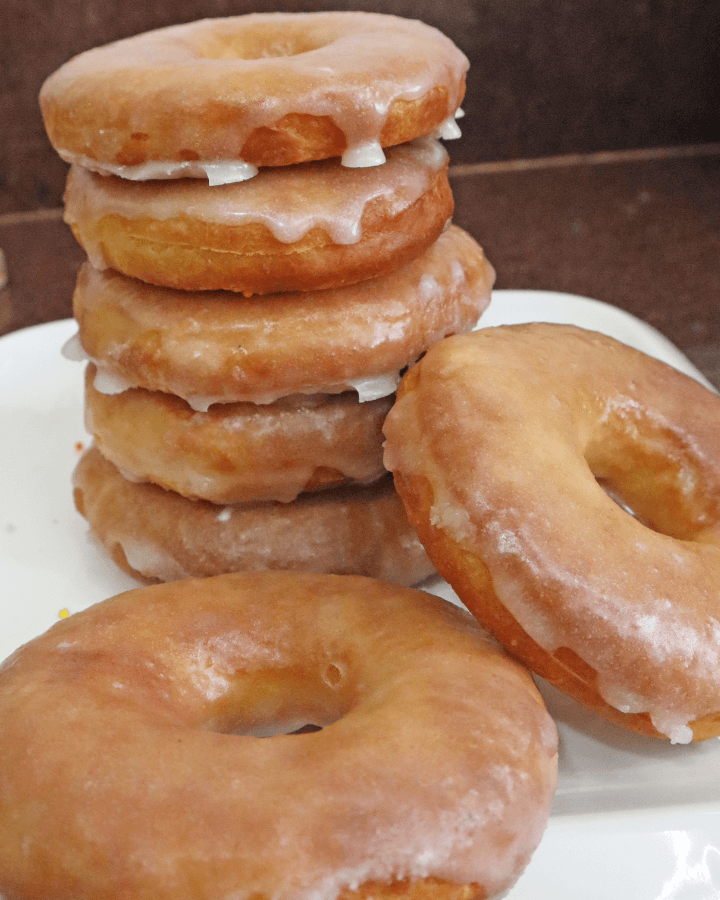
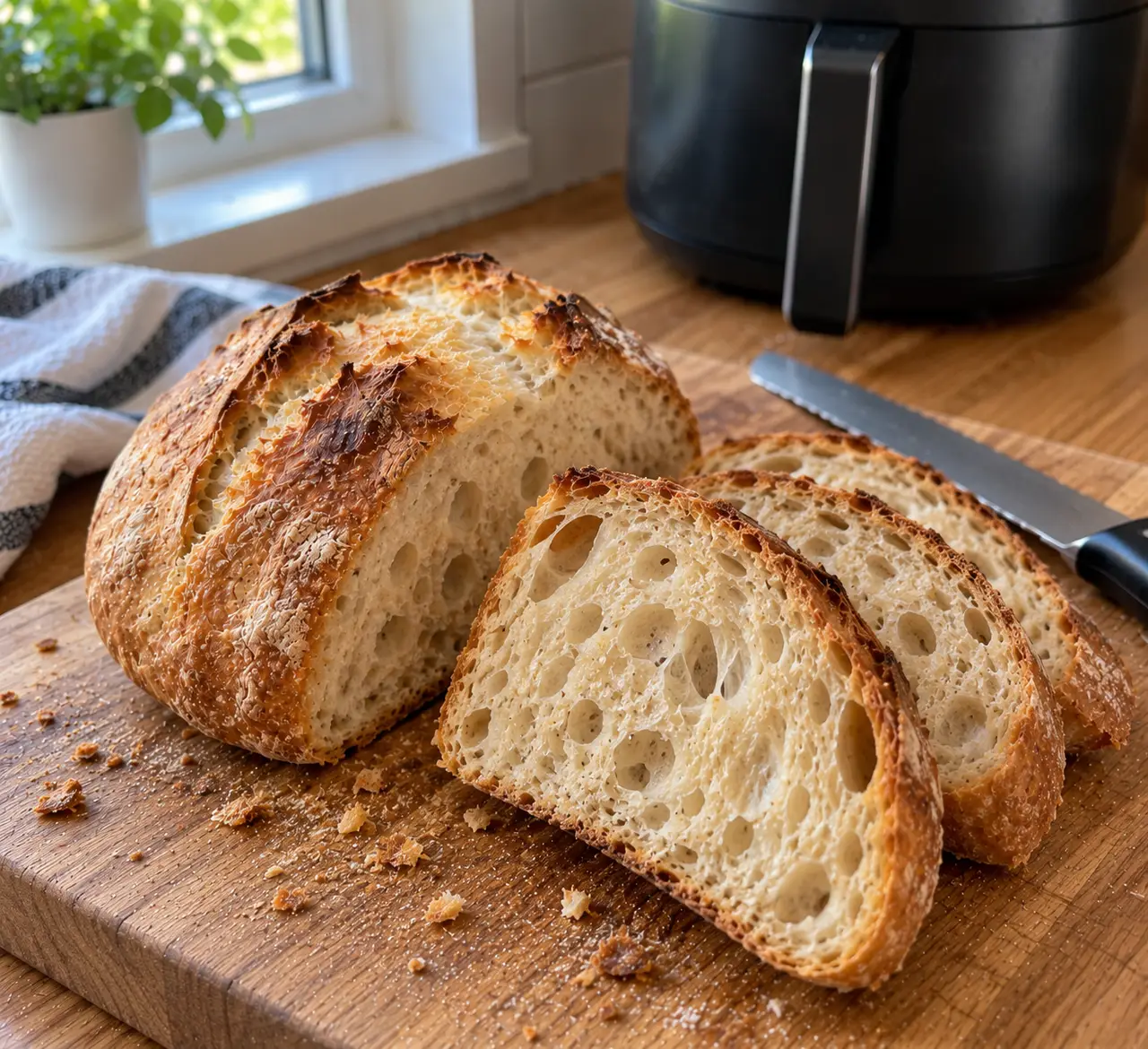
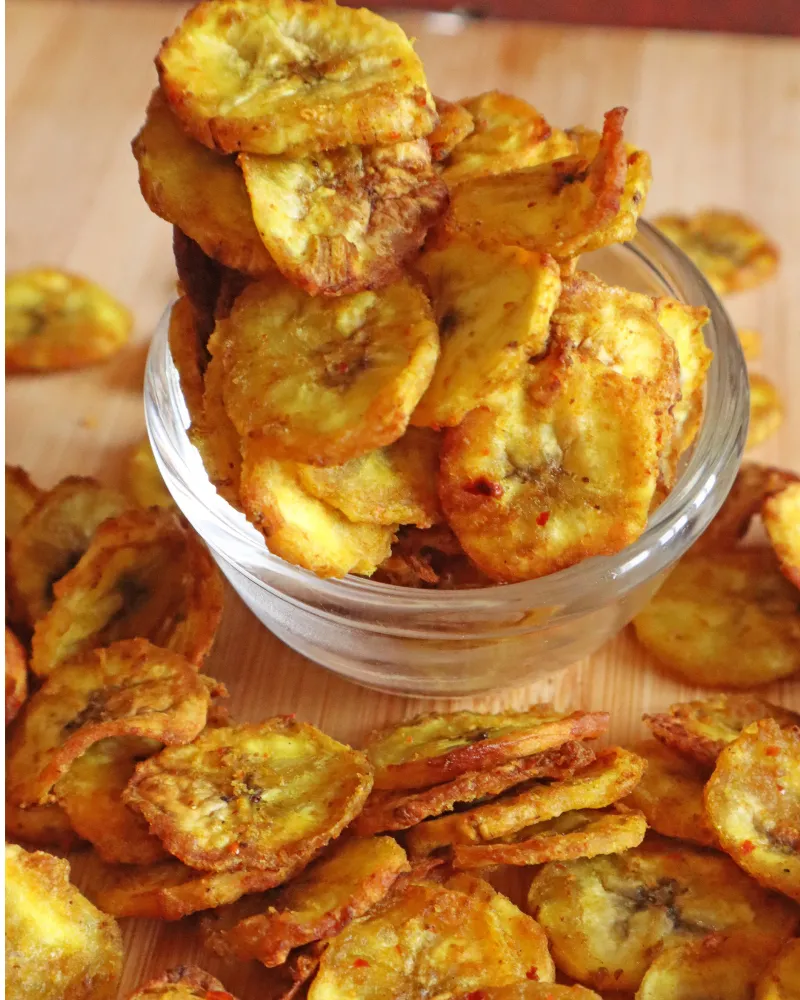
- Already vegan, no edits: the vegan donuts obviously, but also the no-knead bread, which is flour, water, salt and yeast and always was, the pizza dough, and the fruit snacks, apple chips and banana chips.
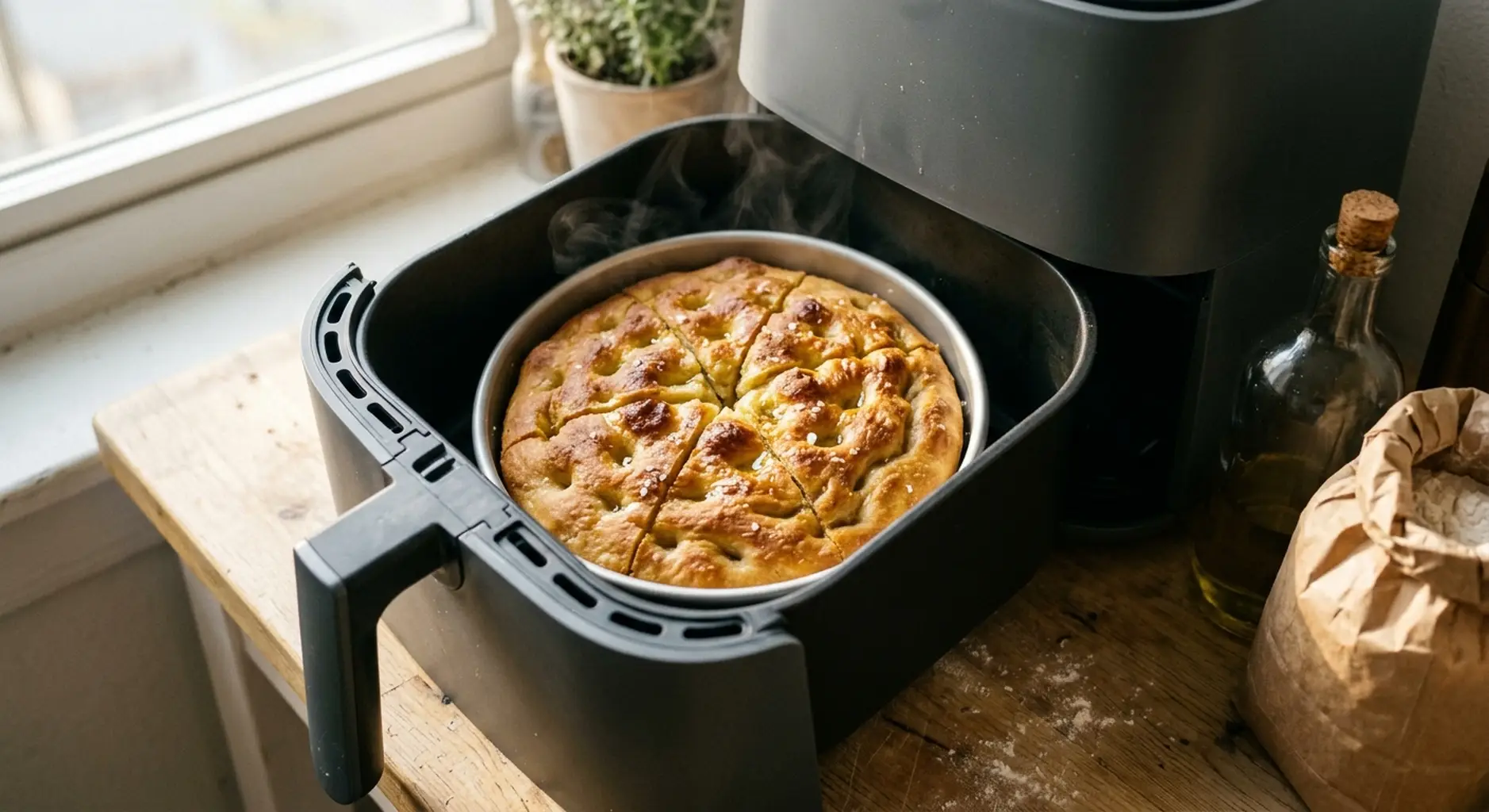
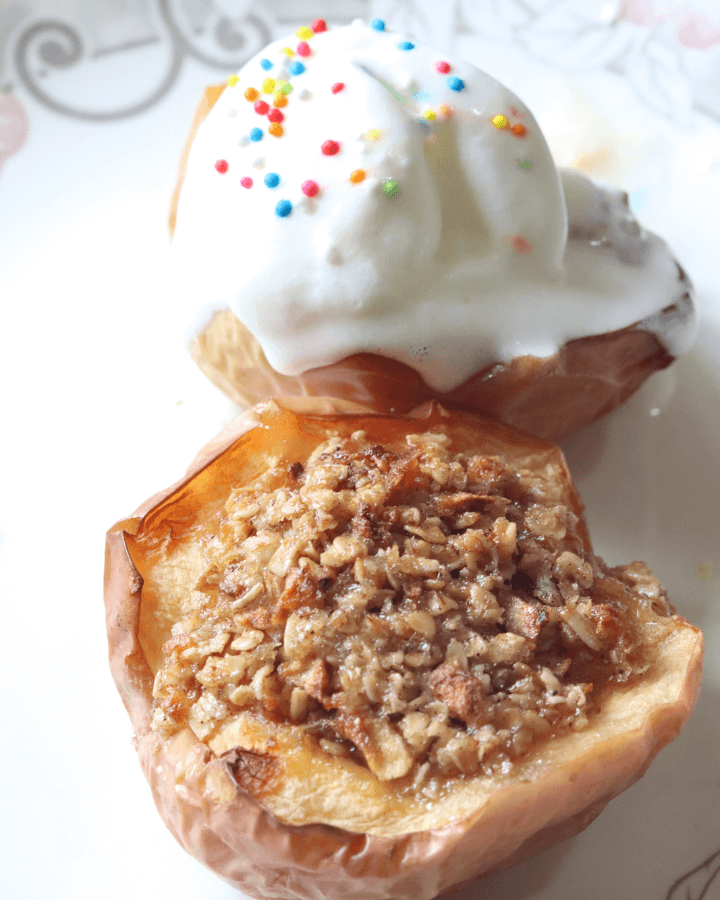
- One swap away: the banana bread, whose bananas already replace most of the egg's work, takes a single flax egg and oil; the focaccia asks only that you check your dough's honey; the baked apples want coconut oil in place of the butter knob.
- The savory shelf barely notices: sweet potatoes, asparagus and most of the healthy shelf were plant-based before it was a genre.
- Skip honestly: aquafaba meringues need hours at a temperature this machine will not hold politely, and laminated pastry, the croissant family, depends on dairy butter's low water and high melting point in ways sticks cannot fake yet. The wider list of basket limits lives at what you can and cannot bake.
- Scaling for the household runs through the recipe scaler, which divides flax eggs a great deal more gracefully than nature divides chicken ones.
Troubleshooting
| What you got | Why | Fix |
|---|---|---|
| Crumbled like sand | No binder, or moisture standing in for binding. | A flax egg for the bind; applesauce moistens but does not hold. Jobs, not swaps. |
| Gummy, damp middle | Pulled by toothpick, or three-plus flax eggs in one batter. | 205°F at the center, and flax capped at two; rebuild bigger recipes around aquafaba or the wacky method. |
| Cookies became one lake | Tub spread, or unchilled dough. | Stick vegan butter and the mandatory 20 minute chill. Plant butters are wetter; the fridge is the correction. |
| Pale and matte on top | No milk proteins to brown. | The maple and soy milk wash, coarse sugar, and the last two minutes untented. |
| Burnt outside, wet inside | Chased color with temperature. | Color is the wash's job. Keep the dial at the discount and let the thermometer end the bake. |
| Dense, sunken cake | Aquafaba deflated, or the vinegar and soda met too early. | Fold whipped aquafaba last and gently; wacky cakes go into the machine within minutes of mixing. |
| Tastes like banana when it should not | Banana standing in where applesauce belonged. | Applesauce for neutral moisture; banana only where banana is welcome. |
| Dried out by day two | Usually a butter-style recipe that wanted oil. | Oil-based crumb keeps; see storage below, plus the dry bakes guide. |
Failures that ignore diet entirely live in the troubleshooting guide.
Storage: the one vegan advantage
- Here the diet finally wins one: oil-based vegan cakes and quick breads stay moist longer than their butter cousins, because oil is liquid at room temperature and butter recrystallizes. A wacky cake on day three is genuinely better than a butter cake on day three.
- Counter, airtight, 3 to 4 days for oil bakes; cookies 3 days; the fridge stales crumb regardless of diet and stays reserved for tofu-based custards, which live there.
- Freezing rules are unchanged: slice, wrap, freeze on day one, revive 2 minutes at 300°F. Flax and aquafaba bakes freeze exactly like egg bakes.
- Raw doughs freeze beautifully too, and vegan cookie dough, having no raw egg, is also the one dough nobody can lecture you about tasting.
Frequently asked questions
QCan you bake vegan recipes in an air fryer?
Yes, and the machine is quietly well suited to them: its moving air compensates for the weaker browning of eggless, dairyless bakes, and the best vegan cakes are oil-based batters that thrive at the low, steady settings baskets prefer. The adjustments that matter are choosing egg replacements by the job they do, chilling cookie doughs made with plant butter, brushing pastries with a maple and soy milk wash for color, and pulling bakes by internal temperature.
QWhat is the best egg substitute for baking?
There is no best, only best-for-the-job. Flax egg, 1 tablespoon ground flax gelled in 3 tablespoons water, binds cookies, muffins and quick breads, capped at two per recipe. Whipped aquafaba, 3 tablespoons per egg, provides lift in cakes. A quarter cup of applesauce adds moisture to dense bakes. Silken tofu builds custards. Recipes that fail usually asked one substitute to do a different substitute's work.
QWhy don't my vegan bakes brown in the air fryer?
Browning on conventional bakes comes largely from milk proteins and egg wash, so their absence leaves vegan bakes pale even when fully done. Restore it deliberately: brush with 1 tablespoon maple syrup whisked into 2 tablespoons soy milk, the highest-protein plant milk, add coarse sugar where sparkle fits, and give the bake its final two minutes uncovered. Never chase color by raising the temperature; the eggless interior sets slower than the surface and loses that race.
QShould I use vegan butter or oil?
Oil for cakes, quick breads and brownies, where it makes a moister crumb that keeps for days and there is nothing to imitate. Stick vegan butter for cookies and anything creamed or laminated-adjacent, never tub spread, which carries too much water and collapses doughs. Even sticks run wetter than dairy butter, so vegan cookie dough always chills 20 minutes before baking. Coconut oil is a specialist for crisp, short textures.
QWhy is my vegan cake gummy in the middle?
Eggless structure comes from starch, which sets late and mostly during cooling, so the two usual causes are pulling by toothpick, which misreads vegan crumb badly, and overloading the batter with flax, which turns gummy past two flax eggs. Bake to 205F at the center, let the cake cool completely before judging it, and for recipes needing three or more eggs, switch strategies to aquafaba or a recipe built eggless from the start.
QWhat is aquafaba and does it work in an air fryer?
Aquafaba is the liquid from a can of chickpeas, and its proteins whip into a foam that mimics egg white. For general baking, 3 tablespoons whisked foamy replaces one egg's lift in cakes and muffins, folded in last, and it works in the basket exactly as in an oven. The exception is meringue: those need hours of very low, still heat, and a fan-driven machine holds neither the temperature nor the stillness politely. Bake meringues in an oven or not at all.
QIs sugar vegan?
By ingredient, yes; by processing, sometimes not, because some cane sugar refineries whiten sugar through bone char filters. Practice varies by brand and country, and nothing on the label is required to say. Bakers who want certainty use organic cane sugar or beet sugar, neither of which touches bone char, and both of which behave identically in every recipe on this site. It is a one-time pantry decision, not a per-recipe problem.
QWhat vegan things should I bake first?
Start where nothing needs replacing: the wacky chocolate cake on this page, a no-knead bread that was always flour, water, salt and yeast, and the fruit snacks like apple chips. Then take the one-swap recipes, banana bread chief among them, since the bananas already do most of an egg's work. Save aquafaba cakes for when the pantry and the confidence are both stocked, and skip laminated pastry entirely for now.
QDo vegan baked goods keep better or worse?
Better, in the case that matters most: oil-based vegan cakes and quick breads stay moist days longer than butter versions, because oil does not recrystallize at room temperature the way butterfat does. Cookies keep about the same. Custard-style bakes built on tofu or cashew live in the fridge by design. Freezing works identically to conventional baking: slice, wrap, freeze on day one, and revive slices for 2 minutes at 300F.
Never overbake again
Get our one-page times & temps cheat sheet, plus a new tested recipe each week.
No spam · unsubscribe anytime