

Two honest paths to sugar-free
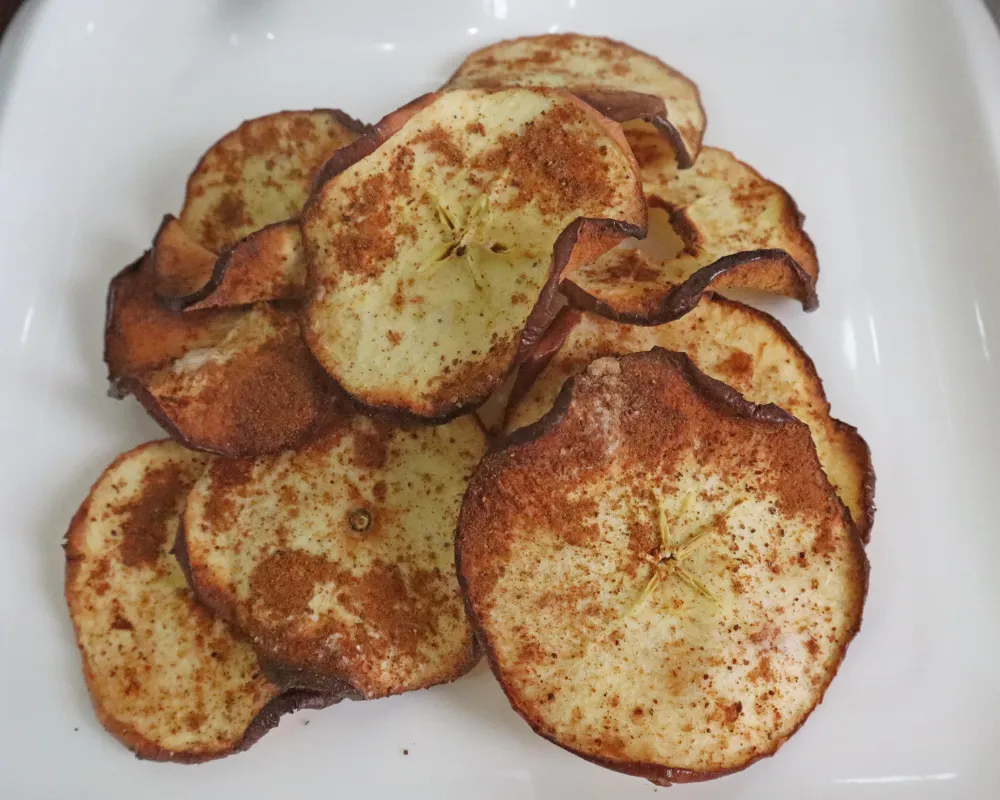
Most "sugar-free dessert" articles pretend there is one trick. There are two, and they behave nothing alike. Path one is fruit doing all the sweetening. An apple is mostly water wrapped around sugar and pectin; hold it at 200°F for an hour and the water leaves, the sweetness concentrates, and you get a chip that tastes candied with an ingredient list of "apple, cinnamon." The air fryer is genuinely better at this than an oven because it is a small dehydrator with a fan when you run it low. Path two is swapping the sugar for erythritol, allulose or monk fruit in a normal recipe, which works, but changes how the bake browns, crisps and finishes, so it comes with rules.
One framing note before the chart: this is a baking site, not a nutrition clinic. "Without the crash" here means what it means in a normal kitchen, dessert tonight that does not run on half a cup of white sugar. If you bake for medical reasons, your care team outranks any food blog, this one included. What this page can promise is that every bake below was tested in the same 5.5 quart basket as everything else on the recipe index, with the habits from how to bake in an air fryer underneath it all.
Five rules sweeteners make you learn
One: sweeteners do not brown, so stop baking by color. Sugar is what caramelizes; take it out and your visual cues lie. Erythritol bakes stay pale at fully done, while allulose browns faster than sugar. Judge doneness by an instant-read thermometer, around 200°F in the center for cakes, and by the clock elsewhere. The wider case for ignoring color lives in the dry bakes guide.
Two: drop 25 degrees below your usual conversion. Sweetened doughs without sugar's moisture-holding tend to dry and scorch at the edges first, so sugar-free cookies run at 300°F where their sugared cousins take 325°F. Converting an oven recipe from scratch is a two-step: run it through the air fryer calculator, then take another 25 off. The full science is in the keto baking guide, this page's sister.
Three: pick the sweetener for the job. Erythritol blends give crispness and a clean set, allulose keeps bakes soft, moist and golden, and stevia is a supporting player for rounding sweetness, not a bulk replacement. When a chart row below names a sweetener, that is the one the texture depends on.
Four: fruit runs low and slow, and thickness decides everything. Chips want 200 to 225°F and patience; warm fruit desserts want 330 to 350°F and even cuts so every piece finishes together. Uneven slices are the entire difference between chips and a bag of leather.
Five: cool completely before you judge. Sugar-free structures set during cooling more than baking. The cookie that seems soft and wrong at the 5 minute mark is often exactly right at 30. Give the rack its time.
The sugar-free chart
Every number comes from its linked recipe, tested in the same basket. The last column tells you where the sweetness comes from.
| Bake | Temp | Time | Sweetness from |
|---|---|---|---|
| Apple chips | 200°F | ~60 min | The apple, concentrated |
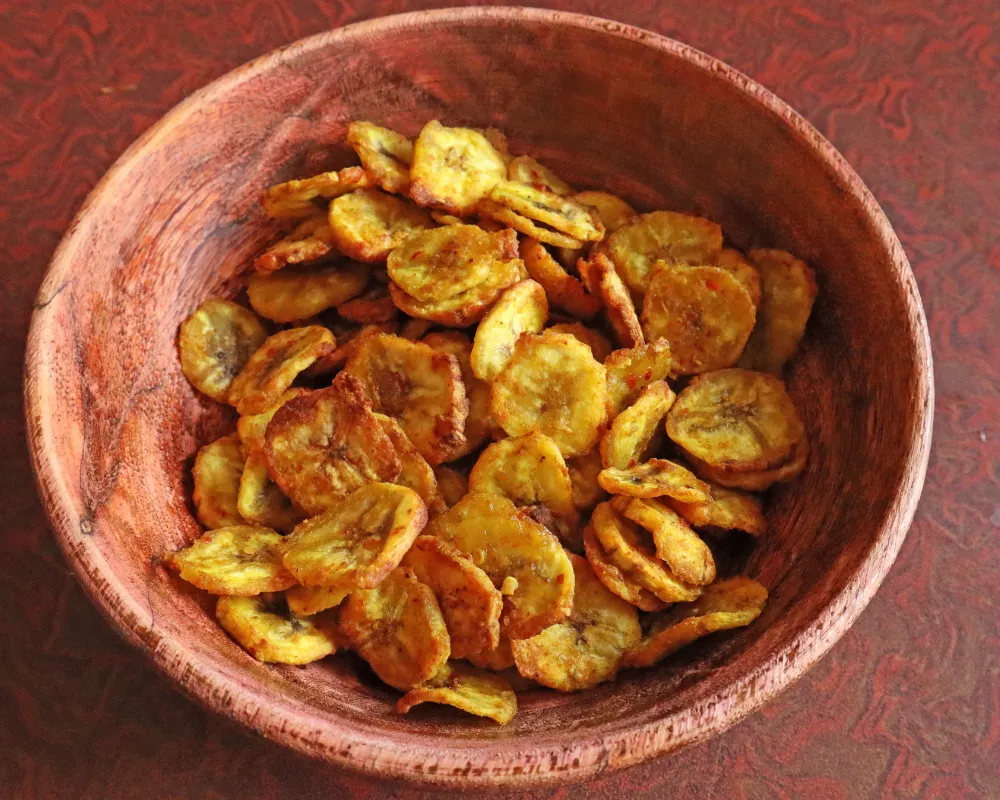
| Banana chips | 225°F | 30-40 min | The banana, nothing added |
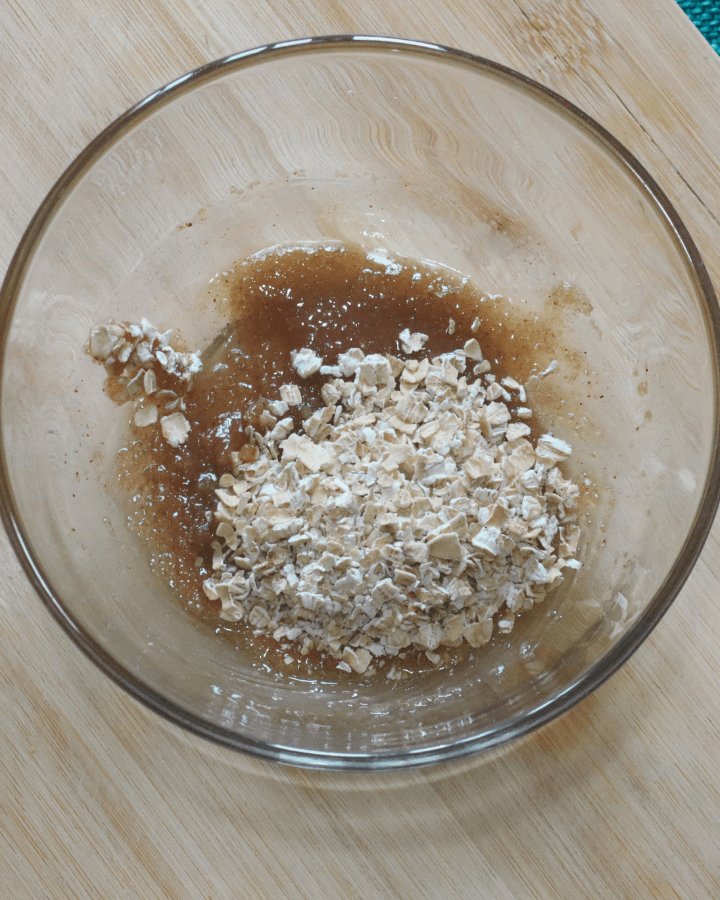
| Baked apples, oat filled | 330°F | 18-22 min | Apple, raisins, cinnamon |
| Cinnamon apples | 375°F | 8-10 min | Apple; skip the sugar toss |
| Baked peaches | 350°F | ~12 min | Peach; butter and cinnamon in the pit |
| Baked pears | 350°F | See recipe | Pear, warmed and spiced |
| Keto chocolate chip cookies | 300°F | 8-9 min | Erythritol blend |
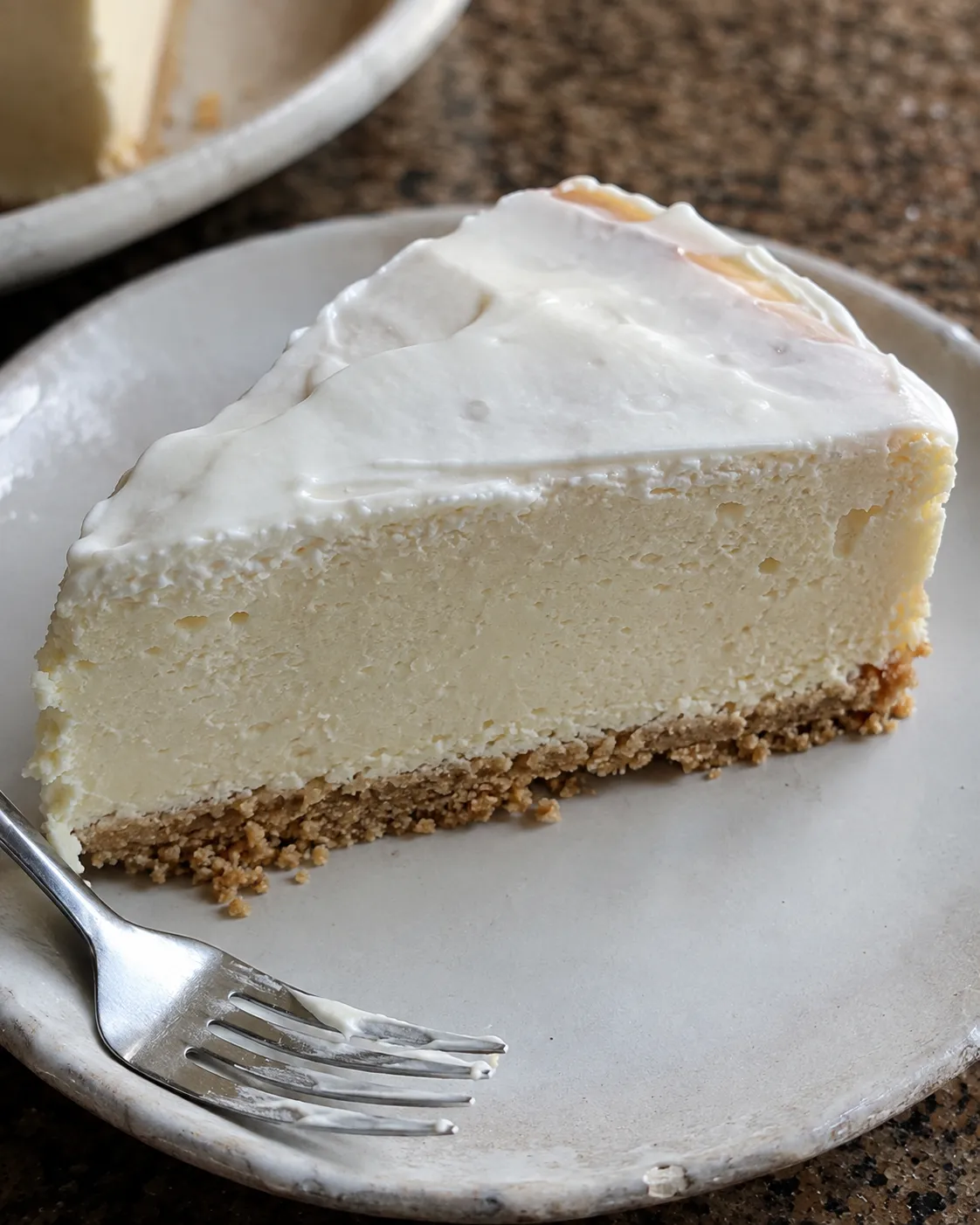
| Cheesecake, swapped | 300°F | 28-34 min | Erythritol, 1:1 for the sugar |
| Coconut macaroons, swapped | 300°F | 10-12 min | Allulose, straight swap |
| Mug cake, swapped | 350°F | 5-6 min | Allulose keeps it moist |
The one-line version: fruit desserts need only time and cinnamon, and sweetener swaps run about 25 degrees cooler than their sugared originals with a thermometer calling the finish. Every tested setting on the site lives on the baking chart.
The fruit-only shelf
These are the desserts with no sweetener conversation at all, because nothing sweet is added. Apple chips are the flagship: 200°F for about an hour, thin even slices, and the result out-crunches anything in a bag. Banana chips run the same play at 225°F, with one non-negotiable, firm yellow bananas, because spotty ones carry too much sugar-water to ever crisp. For a warm dessert, the baked apple has a documented no-sugar version, cored and filled with oats, cinnamon, raisins and a little butter, and served with yogurt it eats like crumble. Score a shallow line around the apple's equator first so the steam has an exit and the skin does not split. Peaches and pears caramelize on their own fruit sugar with butter and cinnamon, and cinnamon apples work with the sugar toss simply left out, because a ripe apple at 375°F was never relying on it.
The swap shelf
When the craving is for a real cookie or a slice of cheesecake, the swap path delivers, with the keto guide's sweetener science doing the heavy lifting. The keto chocolate chip cookies bake six at a time at 300°F in 8 to 9 minutes and are the best proof on the site that sweetener cookies can be worth eating on their own merits. The 6 inch cheesecake is the easiest conversion in all of baking, because cheesecake never depended on sugar for structure: swap in an erythritol blend one for one, bake at the same 300°F, and pull at 150°F in the center exactly like the original. Coconut macaroons take a straight allulose swap and keep their golden outside and chewy middle, and the mug cake with allulose is the 10 minute answer to a 9 p.m. craving. Scaling any of these up or down is a recipe scaler job, and if you are baking sweetener recipes regularly, the small batch guide keeps experiments cheap.
Sugar-free is one shelf in the dietary wing. The others: keto, gluten-free, vegan, egg-free, dairy-free, and the honest-numbers healthy recipes list. All four air fryer tools live in one place.
Frequently asked questions
QCan you bake sugar-free desserts in an air fryer?
Yes, two ways. Fruit desserts need no sweetener at all: apple chips at 200°F for an hour, banana chips at 225°F, and warm baked apples, peaches or pears at 330 to 375°F, all sweetened by the fruit itself as its water cooks off. Or swap the sugar in a normal recipe for erythritol, allulose or monk fruit, drop the temperature about 25 degrees below the usual air fryer conversion, and judge doneness with a thermometer instead of color, because sweeteners do not brown the way sugar does.
QWhat is the best sugar substitute for air fryer baking?
It depends on the texture you want. Allulose is the best all-rounder: it browns and holds moisture most like real sugar, so it suits cakes, macaroons and anything meant to stay soft. Erythritol blends give crisp cookies and a clean set, with a slight cooling sensation at high doses. Stevia and monk fruit drops are concentrates for rounding out sweetness, not bulk replacements, since they cannot replace sugar's volume. Many of the best results blend two: erythritol or allulose for bulk, a few drops of stevia for depth.
QWhy don't my sugar-free bakes brown in the air fryer?
Because browning is mostly sugar caramelizing, and you removed the sugar. Erythritol in particular bakes to a pale finish even when fully done, which tricks people into overbaking while they wait for a color that is never coming. The fix is to stop using your eyes: pull cakes at about 200°F in the center on an instant-read thermometer and cookies by the clock, then let everything cool completely, since sweetener structures firm up on the rack. If you want golden color, allulose is the sweetener that delivers it.
QWhat air fryer desserts have no added sugar at all?
The fruit shelf: apple chips (apple and cinnamon, nothing else), banana chips (just firm bananas), baked apples cored and filled with oats, cinnamon, raisins and butter, plus baked peaches and pears warmed until their own sugars concentrate. These are not compromise desserts; drying and roasting concentrate fruit sugar so effectively that chips taste candied and roasted peaches taste like dessert without anyone being told. The air fryer suits them because at 200 to 225°F it works as a small, fast dehydrator with a fan.
QIs sugar-free baking the same as keto baking?
They overlap but are not the same. Sugar-free means no added sugar, and it happily includes fruit desserts, oats and regular flour. Keto also removes most carbohydrates, so it swaps the flour too, usually for almond or coconut flour, which changes the baking rules far more than the sweetener swap does. If you only want to drop the sugar, this page is enough. If you want low-carb as well, the keto air fryer baking guide covers the flour behavior, the 25 degree discount and the sweetener science in full.
QDo sweeteners change air fryer baking times?
Times stay close to the original recipe, but temperatures drop and the finish line moves. Run sweetener swaps about 25 degrees cooler than the sugared version, so cookies that baked at 325°F run at 300°F, because sweetener doughs dry and scorch at the edges sooner. Then judge doneness by internal temperature, around 200°F for cakes, or by the clock, never by color. And build in a full cooling rest; sugar-free bakes set their final texture on the rack, so what feels underdone warm is often exactly right cooled.
Baked from this guide? Rate it.
Never overbake again
Get our one-page times & temps cheat sheet, plus a new tested recipe each week.
No spam · unsubscribe anytime