

Most of the adults on this planet lose the enzyme for milk somewhere after childhood, which makes dairy-free less a diet trend than the human default, and it made itself at home in my kitchen the year my husband's stomach filed its complaint. I braced for the kind of relearning the other restricted pantries demand. It never came. Dairy-free turned out to be the gentlest of the free-from kitchens, and the reason fits in three words: eggs still work.
Eggs are the hard part of baking. They set the structure, they carry the lift, they make custards possible, and their wash is what turns pastry bakery-gold. Dairy's jobs, by comparison, are replaceable with a little math and one good browsing trip: fat is fat once you account for butter's water, plant milk pours into any batter without drama, and even cream's fancy roles mostly surrender to a can of coconut. The three places dairy puts up a real fight are exactly the three sections at the heart of this page, and none of them survives the fight.
Quick answer: Swap milk for any plant milk, cup for cup, soy when browning matters. Swap butter by the 3/4 rule: three quarters as much oil plus a splash more liquid, or stick vegan butter 1:1 where creaming matters. Cream's jobs go to full-fat coconut milk and cream. Egg wash is still legal, so pastry still browns. And because eggs still set the crumb, this is the one restricted pantry where the site's standard settings hold: cakes at 310°F, pulled at 205°F, no special discount required.
The easiest hard diet
Eggs stay
Structure, lift, richness and the wash all survive, which is most of what makes baking hard. The other free-from pantries would trade a great deal to keep this card.
Milk is a free square
In batters, milk is mostly water with ambitions. Any plant milk replaces it one for one, and the only decision left is which one browns and bodies best.
Three real problems
Butter's hidden water, the browning its milk solids provided, and cream's specialist roles. Each has a clean fix, and together they are the whole curriculum.
The butter problem, solved by math
Butter is only about 80 percent fat; the rest is water and milk solids. Swap it for oil measure-for-measure and you have accidentally added fat and removed liquid, which is where greasy crumbs and dry doughs both come from. The fixes are mechanical:
- The 3/4 rule for melted-butter recipes: replace butter with three quarters as much neutral oil and return the missing water as a splash of plant milk. A half cup of butter becomes 6 tablespoons of oil plus 2 of liquid. Quick breads, muffins and brownies convert this way without noticing.
- Stick vegan butter, 1:1, where creaming matters. Creamed butter and sugar is an aeration step oil cannot perform, so cookies and creamed cakes take the stick substitute, sticks and never tubs, and chill their doughs the standard 15 minutes since plant sticks run slightly softer.
- Coconut oil is the solid-fat specialist: refined for neutrality, a straight swap in crusts and crumb toppings where cold solid fat is the point, and a liability in warm kitchens, where it melts at 76°F and turns doughs greasy.
- Olive oil is not a compromise, it is a cuisine. The Mediterranean cake tradition never used butter, and the recipe card below is its proof. For every fat's basket behavior, smoke points included, the oils guide keeps the rankings.
Milk is the free square
- Every plant milk swaps 1:1 in batters and doughs. Unsweetened, always, unless you enjoy auditing sugar in two places.
- Soy is the baker's plant milk: the most protein, which means the most browning and the best structure in washes and enriched doughs. Oat is second, with body that reads creamy; almond and rice run thin and pale, fine in batters, weak in washes.
- Buttermilk is a 5 minute DIY: a cup of soy or oat milk plus a tablespoon of vinegar or lemon juice, rested until it curdles slightly. Every buttermilk recipe on the internet is now open.
- Canned coconut milk is not a milk, it is a cream wearing a milk label; it belongs in the next section, and pouring it into a batter as milk is how coconut flavors sneak into birthday cakes uninvited.
The cream roles
Cream held the specialist jobs, and each has a named successor:
- Ganache: full-fat coconut milk, heated and poured over chocolate, sets glossy and identical to the eye. Refined coconut milk or a strong dark chocolate keeps the coconut quiet.
- Whipped cream: the chilled can trick. Refrigerate full-fat coconut milk overnight, whip the solid cream that rises, sweeten lightly. It holds softer peaks than dairy and holds them cold.
- Caramel: coconut milk makes a genuinely great one, deeper and faintly toasty, and nobody at my table has ever sent it back.
- Cheesecake is the honest partial: plant cream cheeses bake into a softer, looser set than dairy, closer to a chilled dessert than a sliced one. It works; it is not identical; this site tells you which before you spend the springform evening.
Browning without milk solids
Milk solids were quiet partners in the Maillard browning on butter-based bakes, and their absence shows as paleness on oil-based crusts. But this is where dairy-free pulls ahead of its sibling diets: the egg wash is still yours. A whole beaten egg, brushed thin, browns pastry exactly as it always did, no workaround required, and behind it stand the usual reinforcements: a soy milk wash where egg does not suit, coarse sugar where sparkle fits, and the air fryer's fan, which colors bare surfaces better than any still oven. Of every substitution guide this site has written, this section is the shortest, and that is the point.
The numbers do not change
Because eggs still set the crumb, dairy-free batters behave structurally like their originals, and this becomes the only free-from guide on this site that hands down no special temperature discount. The air fryer calculator's conversions apply as printed: cakes at 310°F with the usual tent-and-check habits, quick breads low and slow, cookies as their recipes say, everything pulled by the standing numbers, 205°F for cakes and quick breads on an instant-read thermometer, with the whole ledger in the air fryer baking chart. The one soft caveat: oil-based versions color a shade slower on top, so trust the thermometer over a tan. You have heard that sermon here before.
The label corner, both directions
- Dairy hides as: whey, casein, sodium caseinate, lactose, milk solids, ghee and the maddening natural butter flavor. It also hides in the chocolate chip aisle, where many dark chips carry milk solids; genuinely dairy-free dark chocolate exists and says so.
- And the happy direction, because this list is fun: the most famous American puff pastry sheets are made with shortening, not butter, which quietly opens the entire puff shelf; the classic sandwich cookie of your childhood contains no dairy, which makes the air fried Oreos a legal dessert; and most refrigerated crescent roll and biscuit doughs are dairy-free too. Formulas change and store brands differ, so the label gets the final word every time, but the shortcut aisle is friendlier than anyone expects.
- Lactose-intolerant versus milk-allergic are different assignments: tolerance is about quantity and comfort; allergy is about parts per million and shared brushes. This page's swaps serve both, but allergy households read labels at allergy strictness, and the allergist outranks the bloggers.
The cake that never missed butter
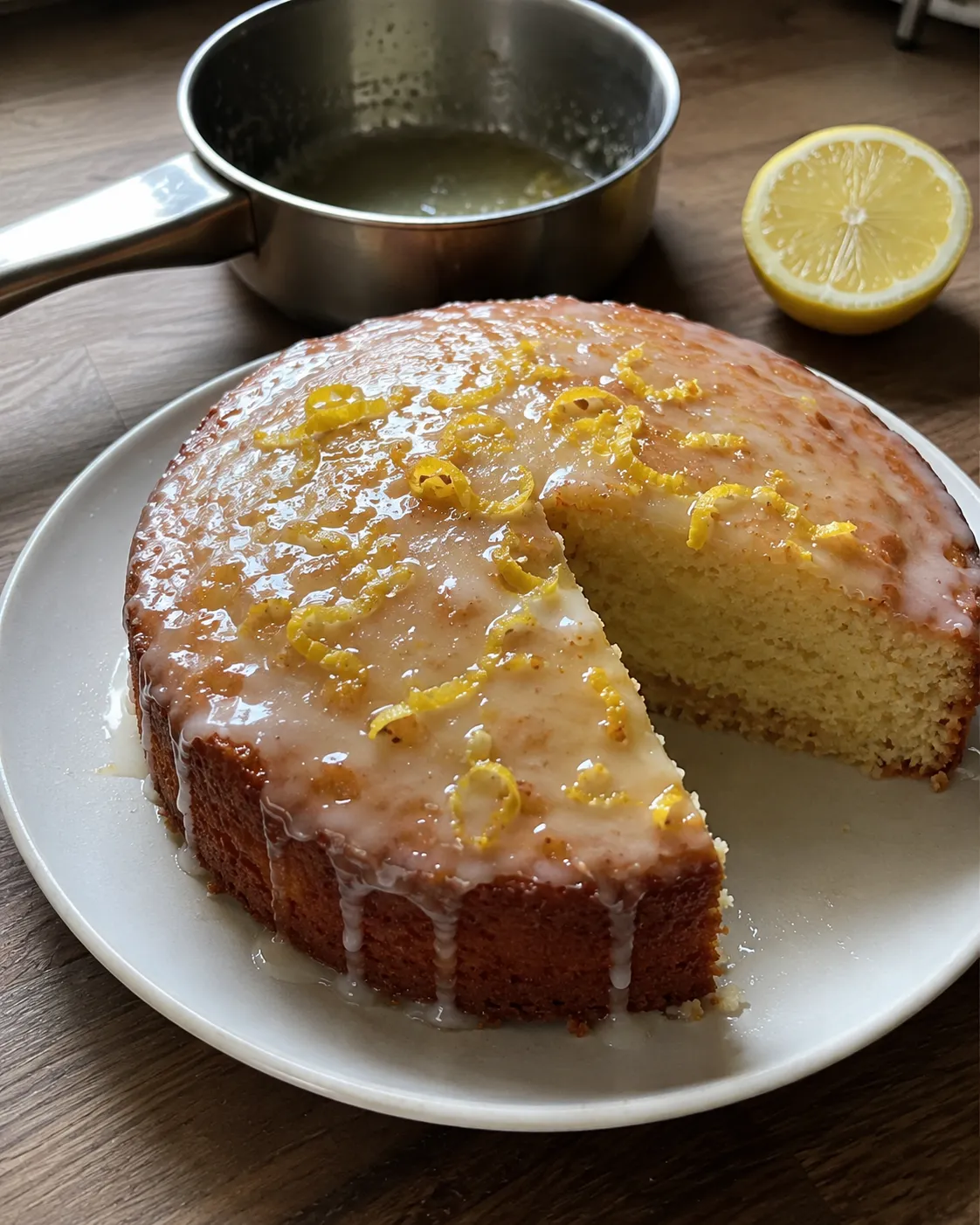
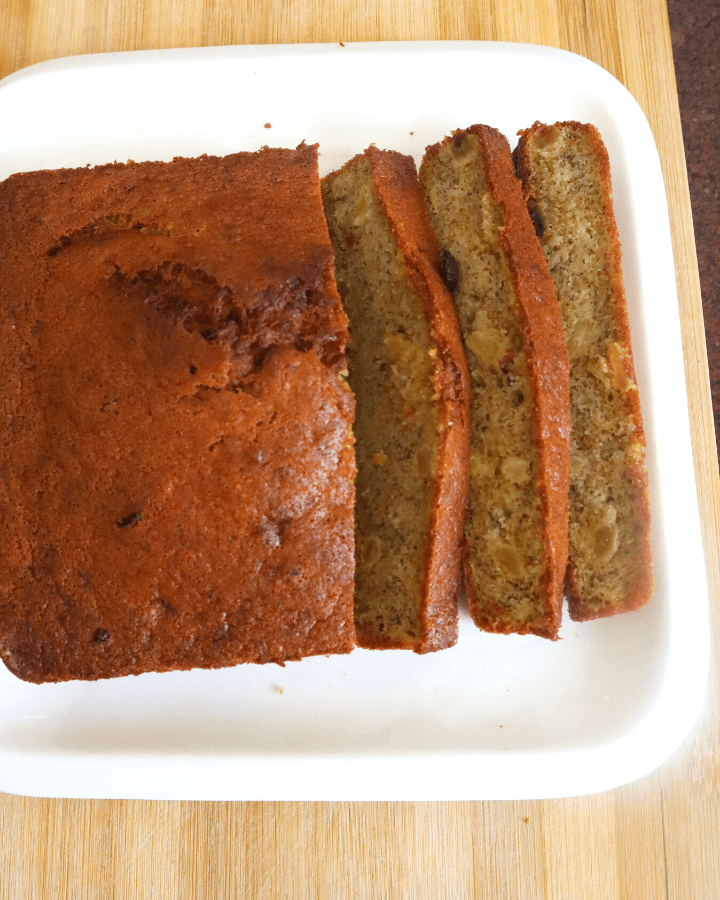
Every guide in this series ends in a recipe borrowed from a tradition that solved the problem before it was a problem, and dairy-free borrows from Italy: the lemon olive oil cake, a cake that has been dairyless for generations out of preference, not restriction. Eggs whipped with lemon-rubbed sugar do the lifting, olive oil does the keeping-moist, and the crumb stays tender for days in a way butter cakes only wish they could. It bakes in the standard 7 inch pan, sized to your basket by the pan size calculator, scales through the recipe scaler, and if you eventually want its buttered cousin for comparison, the site's lemon cake is where dairy lives on.
What is open tonight
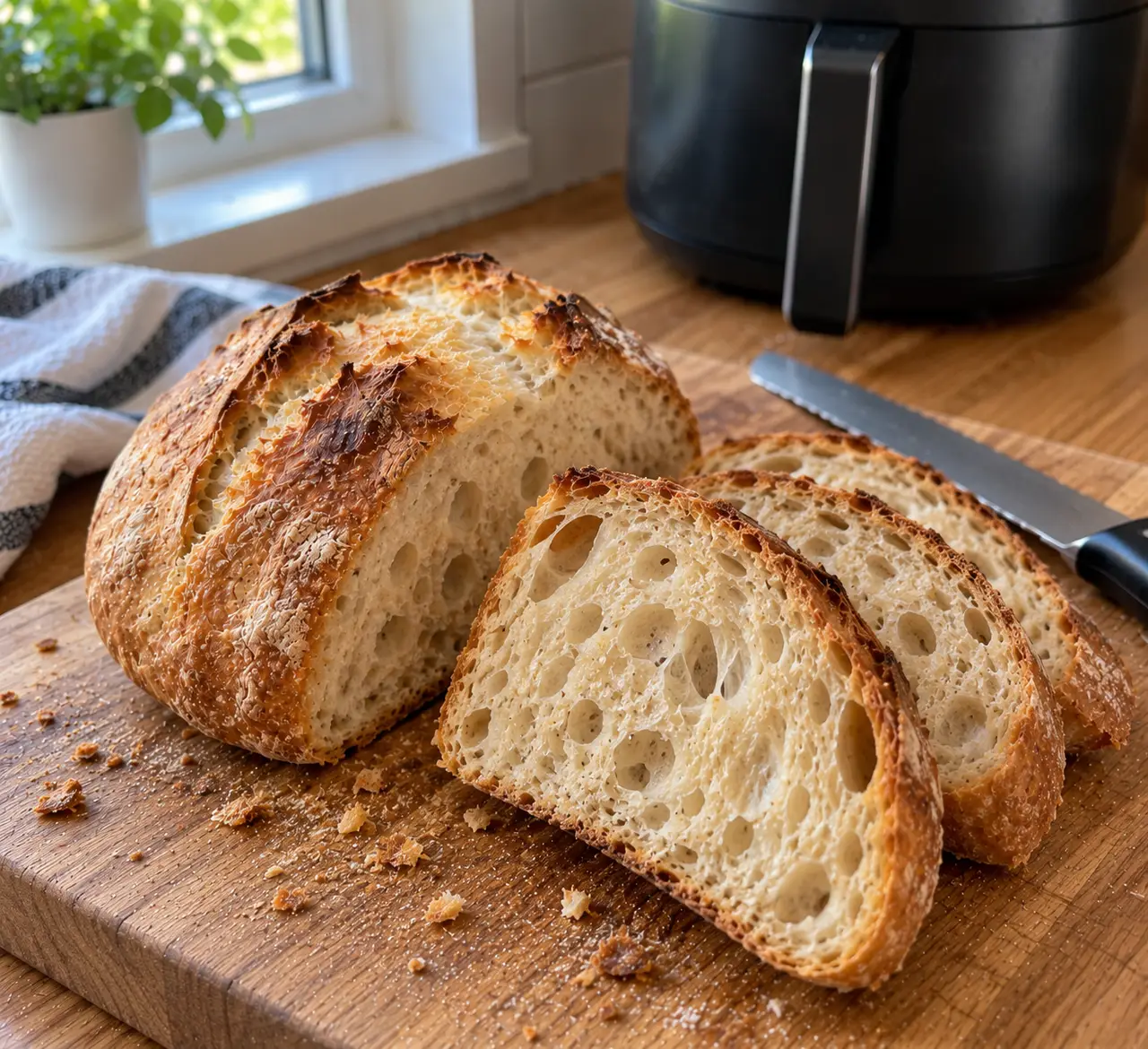
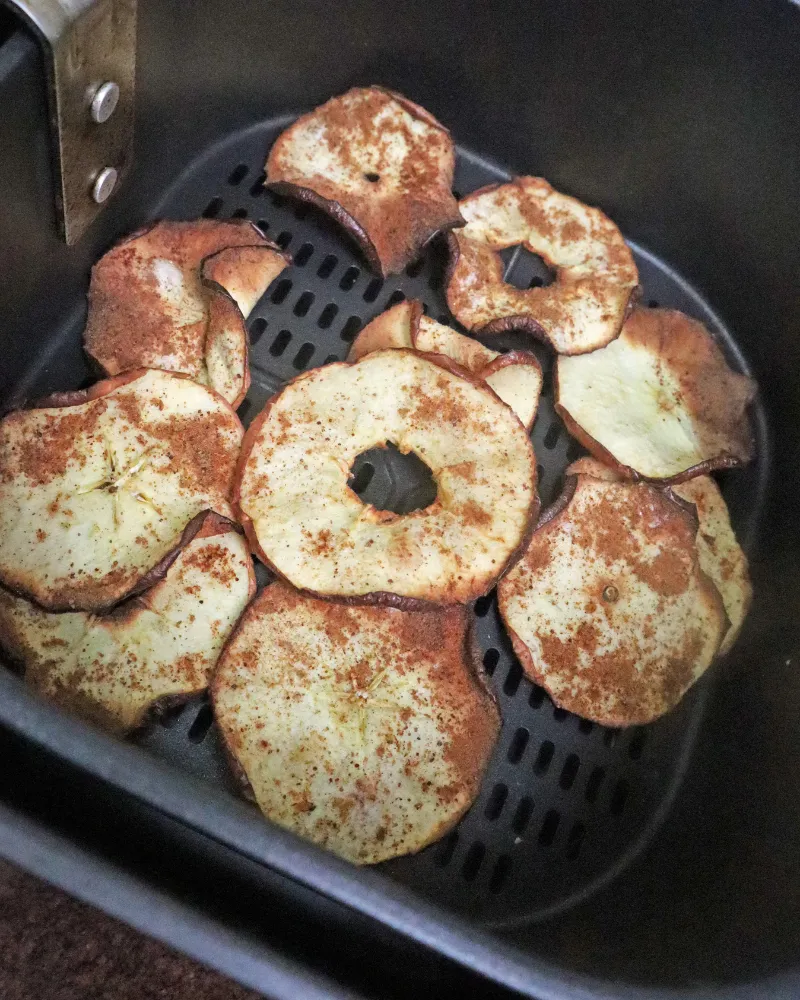
- Already dairy-free, zero swaps: the lean bread shelf, no-knead bread and pizza dough, the fruit desserts like apple chips, and, per the label corner, the boxed puff pastry that runs the palmiers and the apple turnovers, with the physics in the puff pastry guide.
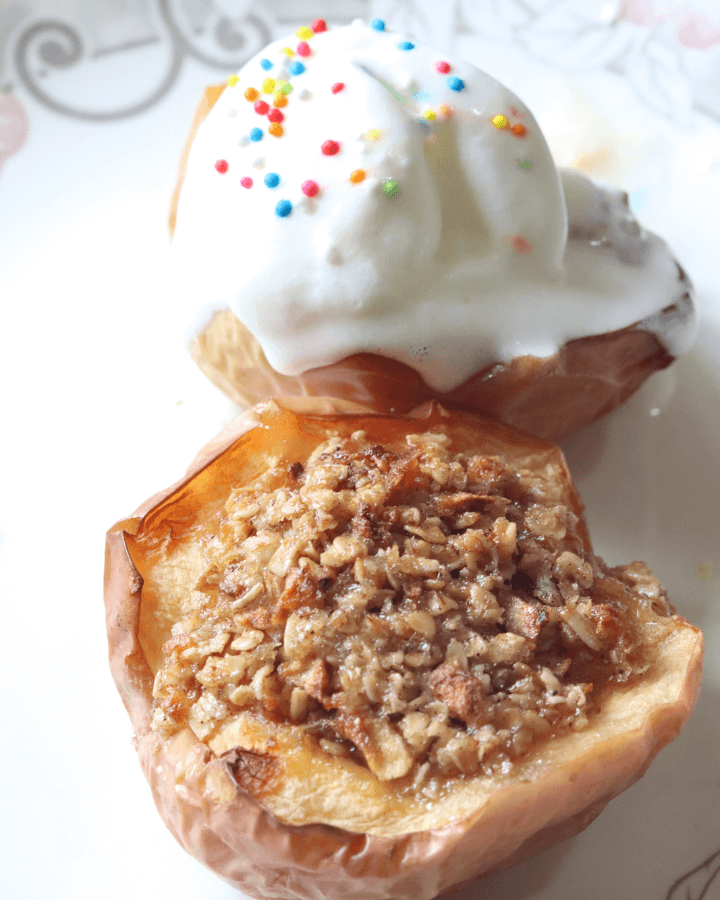
- One-swap conversions: the banana bread and the whole quick bread family on the 3/4 rule, muffins on plant milk, and baked apples with coconut oil standing in for the butter knob.
- The honest shortlist of losses: true butter croissants, brown-butter anything, and dairy cheesecake's exact texture. Three items, which is the shortest skip list of any guide in this series; the full map of basket limits stays at what you can and cannot bake.
Troubleshooting
| What you got | Why | Fix |
|---|---|---|
| Greasy, heavy crumb | Butter swapped for an equal volume of oil. | The 3/4 rule: less oil, plus the splash of liquid butter was secretly providing. |
| Cookies spread thin | Tub spread, warm dough, or oil where creaming was needed. | Stick vegan butter, the 15 minute chill, and creamed recipes keep their creaming step. |
| Pale top on a done bake | No milk solids to brown. | Egg wash on pastry, soy in washes and doughs, sugar where it suits, and believe the thermometer over the tan. |
| Everything tastes like coconut | Virgin coconut oil, or canned coconut milk poured as regular milk. | Refined coconut oil, and the can stays in the cream section where it belongs. |
| Cake read done but sank | Not a dairy problem; pulled early by eye. | 205°F at the center; oil crumb colors slower and fools the glance. |
| Chocolate seized or ganache split | Low-fat coconut milk, or water-based milk poured into hot chocolate. | Full-fat canned coconut, warmed, added gradually. Fat carries chocolate; water offends it. |
| Dairy-free bake caused a reaction | Hidden whey, casein, or milk-solid chocolate chips. | The label corner list, chips checked by name, and allergy-grade caution for allergy households. |
| Dry by day two | Usually over-reduction of fat while converting. | Honest 3/4 rule measuring, and the dry bakes guide for the revival moves. |
Failures with no dietary opinion live in the troubleshooting guide.
Storage
- Oil-based crumb is the great keeper: the olive oil cake below is better on day two and respectable on day four, airtight on the counter, because liquid oil never firms the way butterfat does.
- The standing rules hold: counter over fridge for crumb, freeze extras sliced on day one, revive at 300°F for 2 minutes.
- Coconut-cream toppings live cold and re-whip in thirty seconds; ganache keeps a week refrigerated and re-melts gently.
Frequently asked questions
QCan you bake dairy-free in an air fryer?
Yes, and more easily than any other free-from pantry, because the eggs stay: structure, lift, custards and even the browning egg wash all survive. Milk swaps for any plant milk one for one, butter converts by the 3/4 rule or a stick vegan butter, and cream's jobs go to full-fat coconut milk. Because eggs still set the crumb, the machine settings do not change at all: cakes at 310F, pulled at 205F, exactly as the originals.
QWhat is the best butter substitute for baking?
It depends on the job butter was doing. For melted-butter recipes, use three quarters as much neutral oil plus a splash of plant milk, since butter was about one fifth water. Where creaming matters, cookies and classic cakes, use stick vegan butter one for one and chill the dough. Refined coconut oil covers solid-fat jobs like crusts and crumb toppings, and olive oil is not a substitute at all but a cake tradition of its own.
QWhich plant milk is best for baking?
Unsweetened soy, in most jobs: it carries the most protein, so it browns best and builds the most structure in washes and enriched doughs. Oat is a close second with a creamy body that suits batters and glazes. Almond and rice are thinner and paler, fine inside a batter, weak anywhere browning matters. All of them swap for dairy milk cup for cup, and a tablespoon of vinegar turns soy or oat into buttermilk in five minutes.
QHow do you make dairy-free bakes brown?
Use the advantage the other diets lack: a normal egg wash, brushed thin, browns pastry exactly as it always did, no dairy involved. Where egg wash does not suit, a soy milk wash with a teaspoon of maple is the runner-up, coarse sugar adds visible sparkle, and the air fryer's moving air finishes color better than a still oven. Do not raise the temperature to chase a tan; oil-based crumb colors slower while cooking at the same speed inside.
QCan I use coconut oil instead of butter?
For solid-fat jobs, yes: pie crusts, crumb toppings and shortbread-style cookies take refined coconut oil as a straight swap, and it behaves like a slightly softer butter when cool. Its two failure modes are flavor and temperature: virgin coconut oil perfumes everything it touches, so buy refined for neutral bakes, and it liquefies at 76F, so warm-kitchen doughs go greasy without a chill. For creamed recipes, a stick vegan butter still wins.
QIs puff pastry dairy-free?
The famous American grocery brands usually are, because they laminate with vegetable shortening rather than butter, which quietly opens palmiers, turnovers and the whole puff shelf to dairy-free households. All-butter puff, usually imported or bakery-made and proud of it on the label, is not. Check the box every time since formulas change, but odds are good the freezer aisle has been on your side all along.
QWhat dairy-free desserts work best in an air fryer?
Start with the never-had-dairy shelf: lean breads, pizza dough, baked fruit and fruit chips, and boxed puff pastry bakes. Then the one-swap wins: banana bread and the quick bread family on the 3/4 oil rule, muffins on plant milk, olive oil cakes leading the whole parade. The short honest skip list is butter croissants, brown-butter recipes and exact-texture cheesecake; everything else on a baking site is reachable.
QWhere does dairy hide in baking ingredients?
Behind aliases: whey, casein, sodium caseinate, lactose, milk solids, ghee and natural butter flavor all mean dairy. The classic ambush is chocolate chips, where many dark-looking chips carry milk solids; genuinely dairy-free dark chocolate declares itself. Store doughs are friendlier than expected but never guaranteed. For lactose intolerance this is comfort math; for a milk allergy it is safety, and labels get read at allergy strictness.
QDo dairy-free baked goods taste different?
Less than people fear, and sometimes better. Milk contributes little flavor to a batter; butter contributes real flavor, which is why the guide keeps stick vegan butter for the recipes where butter stars and routes everything else to oil, where nobody was tasting the butter anyway. Olive oil cakes are the proof case: a tradition that chose oil on merit, keeps moist for days, and has never once been asked where the butter went.
Never overbake again
Get our one-page times & temps cheat sheet, plus a new tested recipe each week.
No spam · unsubscribe anytime