

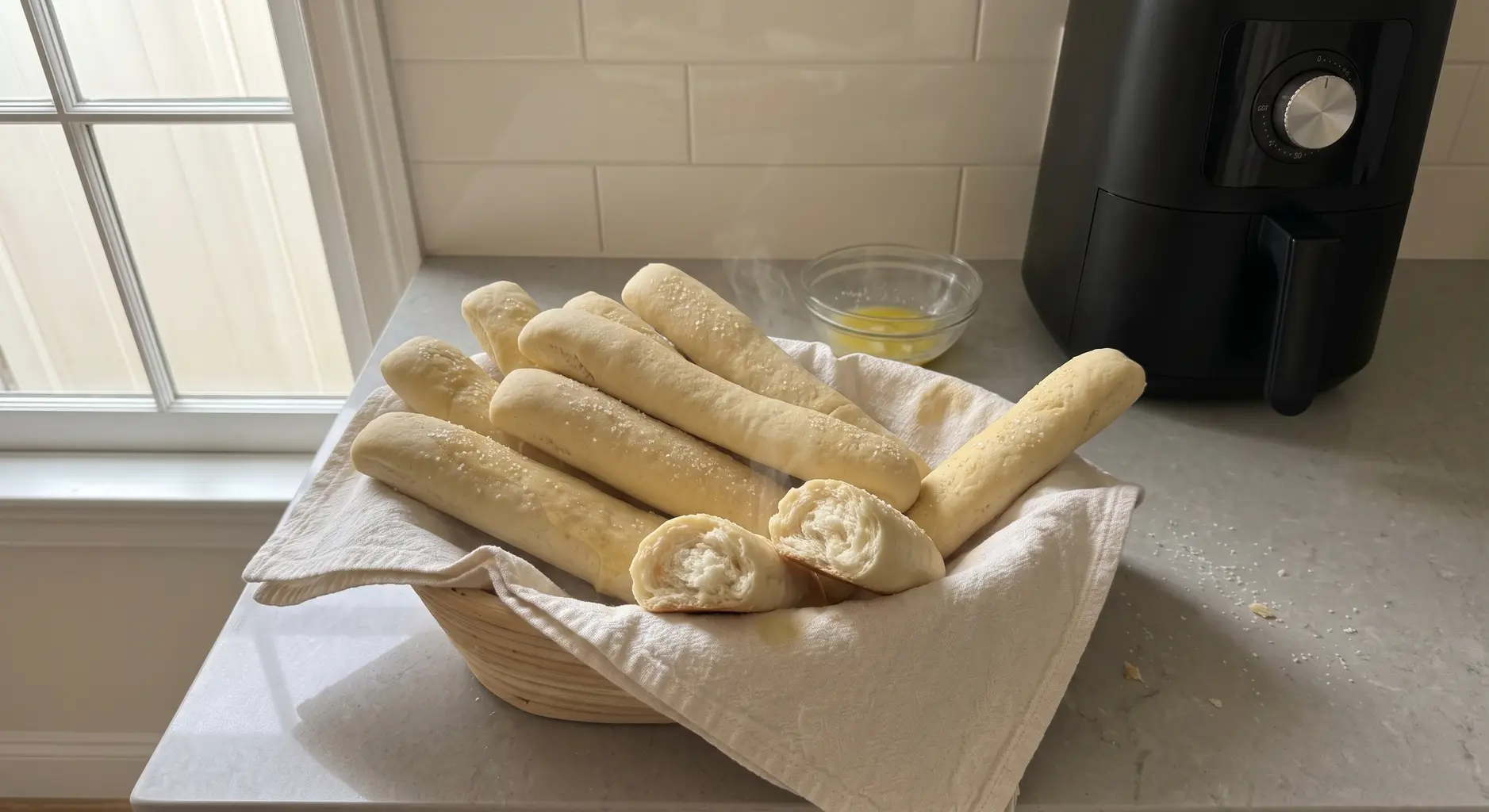
The unlimited breadstick is a genre of its own. Soft enough to fold, pale gold, salty-garlicky on top, and gone before the entrees arrive. My kids rank restaurants entirely by breadstick, and the night I finally landed the home version, one of them asked, with total sincerity, whether we could still go to the restaurant anyway. For the salad, apparently.
Getting there in an air fryer took more adjusting than I expected, because the machine's instincts run exactly opposite to the breadstick's. Air fryers crisp, and a proper breadstick is the least crisp bread there is. The whole recipe is a negotiation between those two facts, and it turns out the machine loses politely if you set the dial low and finish the sticks the way the restaurant actually does.
Quick answer: Make a lightly enriched yeast dough, roll it into 6 inch ropes of even thickness with blunt ends, rise them twice, and bake 4 at a time at 330°F for 8 to 10 minutes, no flipping, until pale gold and 195°F inside. Then the finish that matters: melted butter brushed on hot, followed by a sprinkle of garlic salt. Butter then garlic salt, in that order, is the restaurant move.
Keeping them soft under a fan
Every disappointment in air fryer breadsticks is the same disappointment: they came out crusty. Good bread, wrong genre. If the basket itself is new to you, how to bake in an air fryer covers the ground rules this page assumes. It happens because the settings that suit most breads betray this one:
- 330°F, lower than any yeast bread on this site. The naan runs at maximum, the dinner rolls at 300°F under a tent, and breadsticks sit at 330°F for a reason: a thin rope has enormous surface relative to its crumb, so every degree of extra heat converts more of the stick from soft to crust. Gentle heat keeps the crust thin enough to squeeze.
- No egg wash. The dinner rolls take a yolk wash for gloss. Breadsticks skip it, because a washed surface browns faster and sets firmer, and the restaurant look is matte pale gold, not mahogany shine. The butter finish supplies all the richness afterward.
- Pull at pale gold, not golden brown. The stick that looks slightly underdone in the basket is the one that eats like the restaurant's. Deep color on a breadstick is crust you cannot uncrisp.
- Butter the moment they land. Hot bread absorbs the butter into the surface, which softens the young crust further. This is the same butter-after law as the biscuits, doing double duty here as a softening agent.
The length problem
Restaurant breadsticks run 9 to 11 inches. Most baskets run 8 to 9 across the middle and less at the corners, and a stick that touches the wall steams pale where it touches and bakes crooked. So measure once and size honestly:
Six inch sticks
Four fit a 5 to 6 quart basket with breathing room, they rise straight, and nobody at the table has ever measured one. This recipe's default.
The diagonal trick
The longest straight line in a square basket is corner to corner. An 8 inch stick lies on the diagonal of most 6 quart baskets, two per batch, if the full restaurant length matters to you.
Full length on racks
Oven-style machines with wide racks take 9 inch sticks flat, six at a time. The one format where the restaurant dimensions survive intact.
Batch math for the standard basket: 8 sticks is two rounds of 4, and the second round bakes about a minute faster on warmed metal. Sticks need an inch between them, because unlike the deliberately fused dinner rolls, a breadstick keeps its own crust on all sides. Same dough family, opposite seating chart, and garlic knots are the third cousin: same rope, tied instead of straight.
Rolling ropes that bake evenly
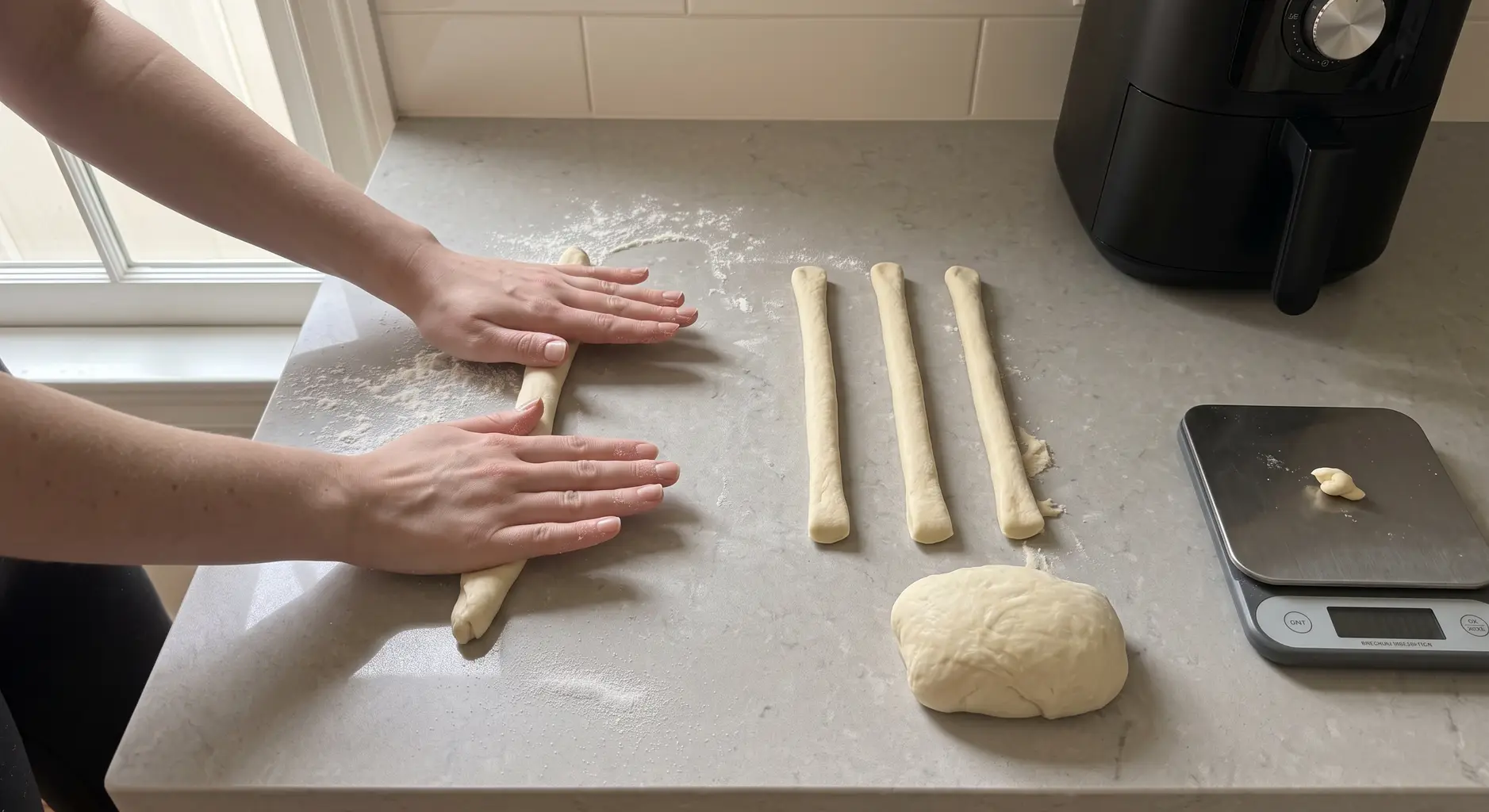
The rope is the technique, and it has one enemy: the taper. Hands naturally thin the ends as they roll, and tapered tips are the breadstick version of the gingerbread man's arms, thin extremities that finish minutes before the middle and scorch while it catches up.
- Roll from the center outward with flat palms, letting the rope lengthen on its own rather than pulling it.
- Even thickness beats round perfection. A slightly square rope of even width bakes better than a beautiful one with skinny ends.
- Blunt the tips. Press each end gently flat-ish when the rope reaches length. Blunt ends carry enough dough to survive the bake at the same pace as the middle.
- If the dough fights you and springs back, it needs rest, not force. Five minutes under the bowl and it rolls like clay. The same time-fixes-tension rule as the pita bread page.
The two finishes, and which one the restaurant uses
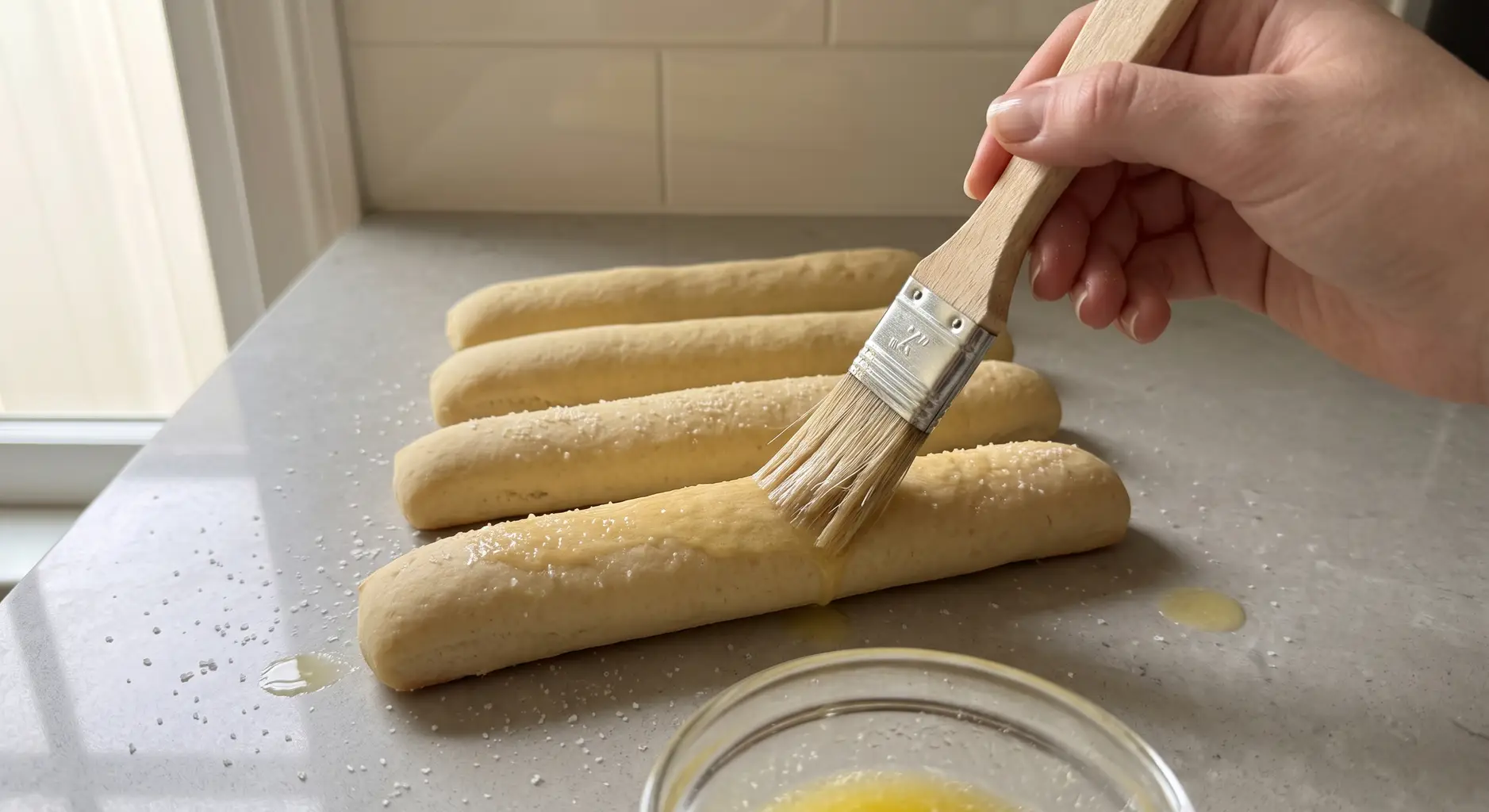
Here is the small heresy this page commits: the famous restaurant breadstick is not finished with garlic butter. It is brushed with plain melted butter and then sprinkled with garlic salt, and the difference is real. Garlic salt lands as tiny dry crystals of salt and dehydrated garlic sitting on the buttered surface, which is why the top of the restaurant stick sparkles faintly and hits salty-first. Garlic stirred into butter distributes as a paste, richer and rounder, garlicky-first.
| Finish | How | Result |
|---|---|---|
| The restaurant finish | Brush hot sticks with melted butter, then sprinkle garlic salt over the top | Salty, sparkly, matte, the copycat people actually mean |
| The garlic butter finish | One clove grated to paste into the melted butter, brushed on hot, parsley optional | Richer, rounder, closer to garlic bread in stick form |
Both finishes obey the grate-never-mince law from the garlic bread page wherever fresh garlic is involved, and both go on after the bake, never before, because garlic and butter on raw dough burn under the element while the bread is still baking. Make both butters once and run a taste-off; the household will split, and the argument is the fun part.
How to make them
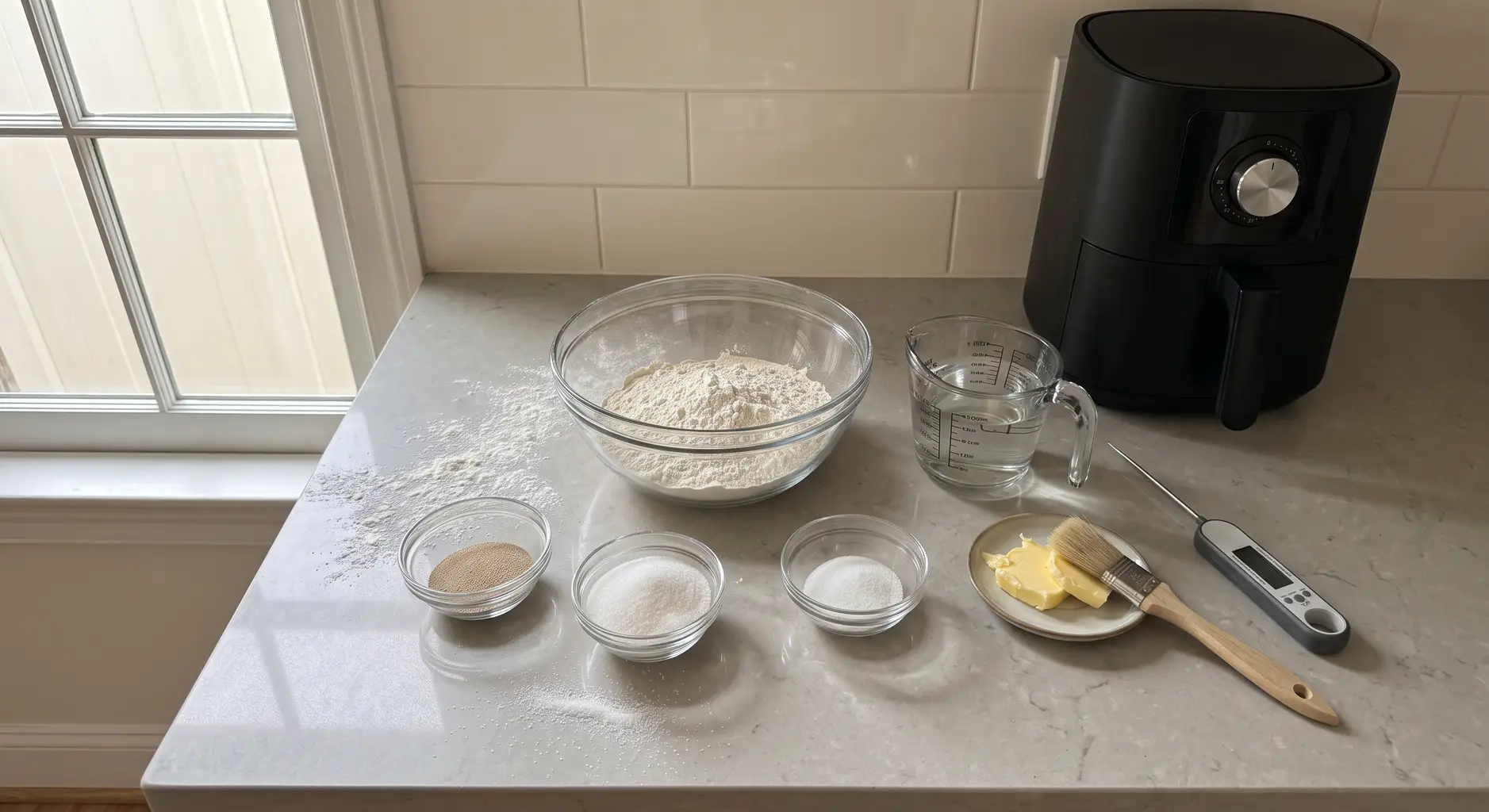
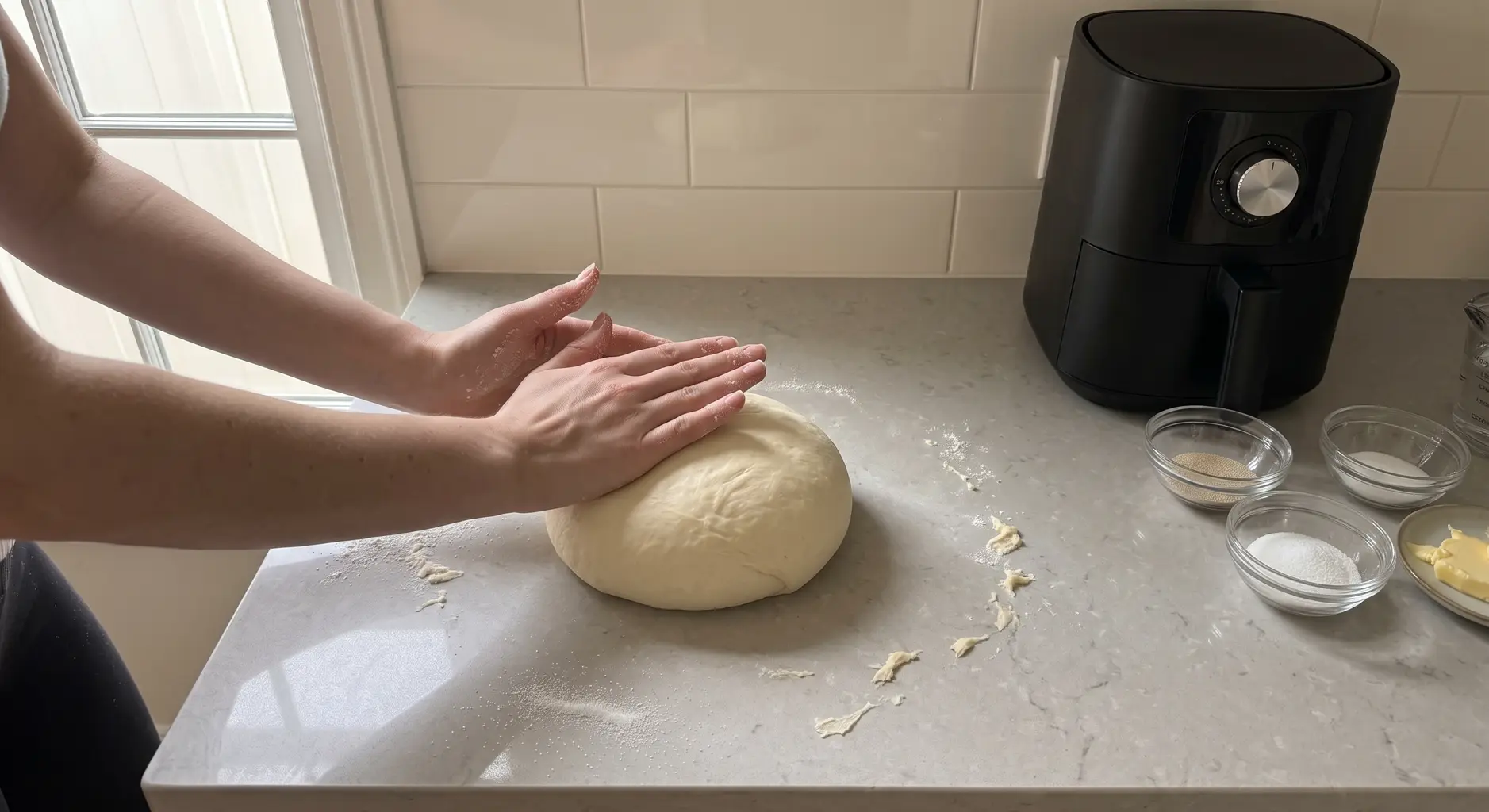
- Make the dough. Stir 2 cups flour, 1 teaspoon instant yeast, 1 tablespoon sugar and 3/4 teaspoon fine salt, then add 3/4 cup warm water and 2 tablespoons soft butter. Knead 8 minutes to smooth and supple. This is a lightly enriched dough, softer than pizza dough, leaner than the dinner rolls.
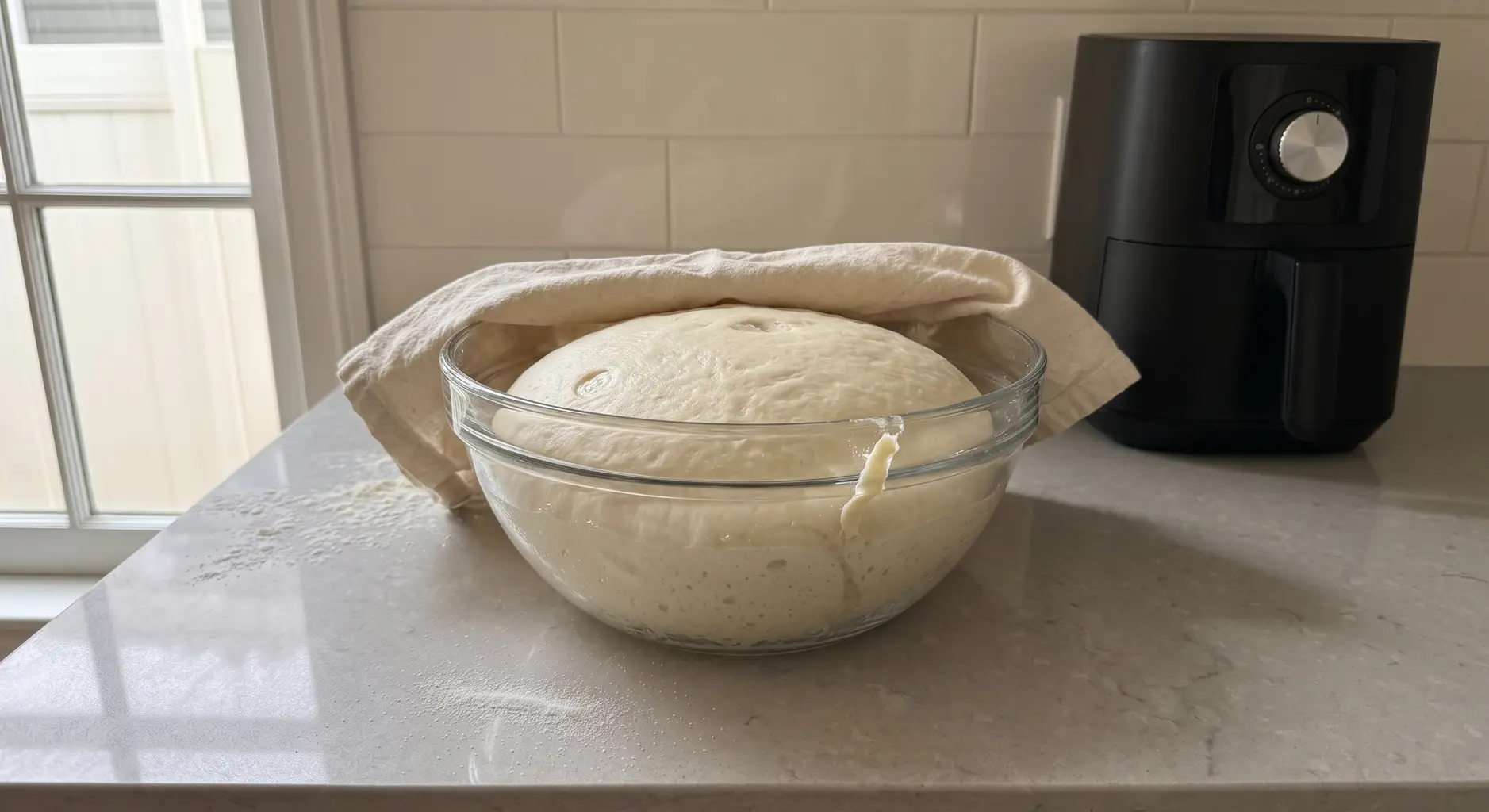
- First rise: 1 hour covered, or about 40 minutes in the switched-off machine with a mug of just-boiled water beside the bowl, the proof box trick that has become standard equipment on this site.
- Divide into 8 pieces, about 60g each on a scale, and rest them 5 minutes so they roll without fighting.
- Roll each into a 6 inch rope, center outward, even thickness, blunt ends.
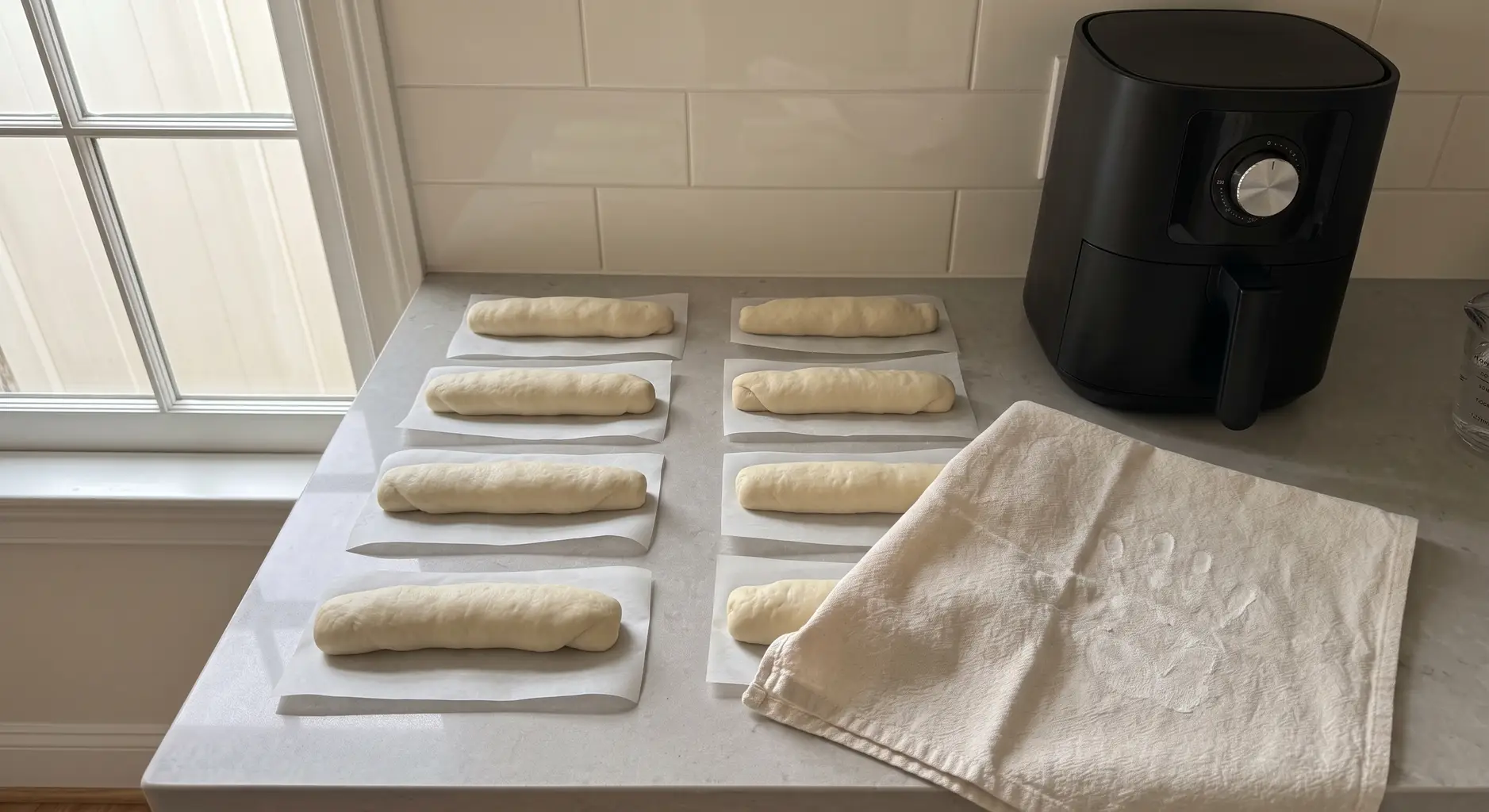
- Second rise: 30 minutes on parchment squares, covered with the towel, until puffy. Lift each stick by its parchment and slide it onto the basket, or transfer with two hands, one under each end.
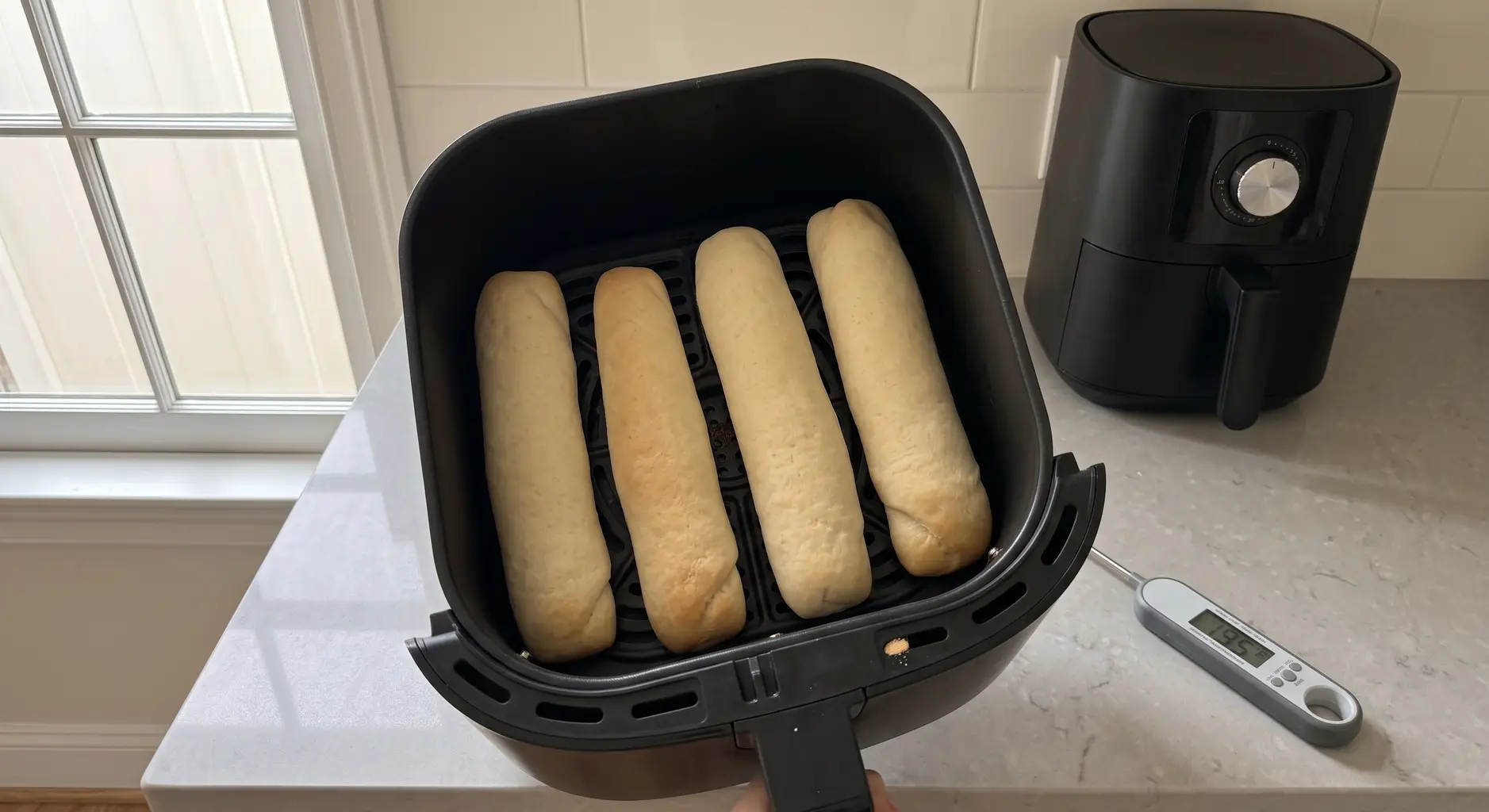
- Bake 4 at a time at 330°F for 8 to 10 minutes, an inch apart, no preheat and no flipping. A rope is the one shape the convection current wraps completely, top, bottom and sides at once, so it browns evenly without being touched. Rotate positions at minute 5 only if your machine has a known hot spot.
- Pull at pale gold and 195°F on an instant-read thermometer in the fattest stick, the same doneness number as every yeast bread here.
- Brush with melted butter immediately, then garlic salt, or the garlic butter version, and pile them in a towel-lined basket at the table. Bake round two, which runs a minute faster.
The soft-to-crusty dial
Not every table wants restaurant-soft, and the same dough covers the spread:
| You want | Temp | Time | Notes |
|---|---|---|---|
| Restaurant soft | 330°F | 8 to 10 min | Pale gold, matte, foldable. The default above |
| Pizzeria style, lightly crusty | 360°F | 7 to 8 min | Golden with a thin snap, still tender inside |
| Crunchy grissini-ish | 360°F | 10 to 12 min, ropes rolled thumb-thin | Deliberately crisp throughout, for charcuterie duty |
If you are converting a family oven breadstick recipe instead of using this one, the usual 400°F oven number lands near 375°F through the air fryer calculator, and then this page's advice is to go 45 degrees below even that for the soft style, because the calculator converts heat faithfully and softness is a policy decision on top. Every setting on the site lives in the air fryer baking chart.
Frozen and canned shortcuts
| Product | Temp | Time | Note |
|---|---|---|---|
| Frozen plain breadsticks | 350°F | 5 to 6 min | Straight from frozen, never thawed, the standing no-thaw law |
| Frozen cheese-stuffed or topped | 340°F | 6 to 8 min | Cooler protects the factory cheese, same logic as frozen garlic bread |
| Canned breadstick dough | 330°F | 6 to 8 min | Cold from the can, spaced, butter after |
| Canned biscuit ropes | 340°F | 5 to 6 min | Roll each biscuit into a 6 inch rope, the honest hack for a no-yeast night |
The frozen rows share DNA with the frozen garlic bread page, where the box-versus-machine conversion logic lives in full. The canned rows behave like their cousins on the crescent roll page: cold dough, spaced, watched from the early end.
Troubleshooting
| What you got | Why | Fix |
|---|---|---|
| Crusty sticks, wrong genre | Too hot, too long, or an egg wash. | 330°F, pale gold pull, no wash, butter the instant they land. |
| Burnt tips, pale middles | Tapered ropes. | Even thickness, blunt ends. The taper is the gingerbread-arm problem in a straight line. |
| Dense, heavy sticks | Shorted rises, usually the second one. | Puffy before baking or dense after. The 30 minute pan rise is not decorative. |
| Crooked, wall-steamed sticks | Ropes longer than the basket's honest interior. | Six inches, or the diagonal trick, and an inch between sticks. |
| Doughy centers in fat sticks | Rolled thicker than a thumb and pulled by color. | The thermometer settles it: 195°F in the fattest stick. |
| Bitter garlic flavor | Garlic butter went on before the bake, or minced garlic sat exposed. | All finishes after, and grated paste when using fresh. The burning guide covers the machine-side causes. |
| Second batch darker | Warmed basket head start. | Minus one minute per round after the first. |
| Sticks stuck to the basket | Risen dough transferred sticky-side down with no help. | Rise them on parchment squares and slide them off, or a light spray on the basket. The liner rules are in can you use foil or parchment paper in an air fryer. |
Problems that follow you across recipes belong to the troubleshooting guide. The preheat question is settled per-bake as always: breadsticks skip it, and the preheat guide explains which breads do not get to.
Variations
- Parmesan crust. Butter the hot sticks, then roll them in grated parmesan instead of sprinkling salt. The cheese melts onto the surface in a thin savory shell.
- Cheese-stuffed. Flatten each rope, lay a string cheese half down the middle, seal the seam hard, and bake seam-down, plus 1 minute. Escaped cheese is a basket-cleaning tax, so seal like you mean it.
- Everything bagel sticks. Butter then everything seasoning. Breakfast breadsticks are legal.
- Cinnamon sugar sticks. Skip the garlic entirely: butter then cinnamon sugar, with the leftover cream cheese frosting from the cinnamon rolls as the dip. Pizza night dessert from the same dough ball.
- Rope practice pays forward: the same center-outward rolling builds the soft pretzels, which are breadsticks that learned to knot.
- Day-two sticks become croutons with the standard 4 minutes at 350°F, and pre-garlicked breadstick croutons outrank every other kind on soup.
The natural table for these is pizza night beside the frozen pizza, or any saucy dinner that deserves a mop. Marinara for dipping is traditional, alfredo is correct, and the loaf covers the sandwiches tomorrow.
Storage and reheating
- Room temperature: 2 days in a sealed bag once fully cool. The butter finish keeps the surface soft.
- Reheat: 300°F for 2 minutes, then a fresh butter pass. Re-buttered day-two sticks are indistinguishable from fresh, which is dangerous knowledge.
- Freeze baked: 3 months, unfinished (no butter), then reheat from frozen at 320°F for 3 to 4 minutes and finish with butter and garlic salt as if new.
- Freeze the shaped ropes after the first rise, unrisen: thaw and second-rise on the counter for an hour, then bake as written. Pizza night inventory.
- The dough holds overnight in the fridge after the first rise, and cold dough rolls the evenest ropes of all.
Frequently asked questions
QHow long do breadsticks take in an air fryer?
8 to 10 minutes at 330°F for soft homemade sticks, baked 4 at a time with no flipping, pulled at pale gold and 195°F internal. Frozen breadsticks run 5 to 6 minutes at 350°F straight from the bag, and canned dough 6 to 8 minutes at 330°F. The full dough takes about two hours including rises, and the second baking round runs a minute faster than the first.
QWhy did my breadsticks come out hard and crusty?
The machine did what machines do, and the settings let it. A thin rope is mostly surface, so heat above 330°F, extra minutes chasing deeper color, or an egg wash all convert softness into crust. Bake gentle, pull at pale gold even though it looks shy, and brush butter on the hot sticks immediately, which softens the young crust further. Deep golden brown on a breadstick is a one-way door.
QDo you flip breadsticks in the air fryer?
No, and not for the usual reason. Breadsticks have two plain faces and could survive a flip, but a rope is the one shape the convection current wraps completely, top, bottom and sides at once, so it browns evenly without being touched. Rotate stick positions at the halfway mark only if your machine browns one end of the basket faster, and otherwise leave the drawer shut.
QWhat is the Olive Garden breadstick topping?
Plain melted butter followed by a sprinkle of garlic salt, not garlic butter. The dry crystals of salt and dehydrated garlic sit on the buttered surface, which is why the restaurant stick sparkles faintly and tastes salty-first rather than garlicky-first. Brush the butter on the hot sticks the moment they leave the basket, then sprinkle. Garlic paste stirred into the butter makes a richer, rounder finish that is excellent and noticeably not the copycat.
QHow long do frozen breadsticks take in an air fryer?
5 to 6 minutes at 350°F for plain frozen breadsticks, straight from the freezer with no thawing, and 6 to 8 minutes at 340°F for cheese-stuffed or cheese-topped versions, where the cooler dial keeps the factory cheese from leathering. Single layer with space between, no flipping, and check the first box two minutes early because brands vary.
QCan I make breadsticks from canned dough in the air fryer?
Yes, two ways. Canned breadstick dough bakes cold from the can at 330°F for 6 to 8 minutes, spaced and buttered after. And canned biscuits roll into honest 6 inch ropes that bake at 340°F for 5 to 6 minutes, which is the fastest no-yeast route to a breadstick shape. Both take either finish, and both follow the cold-dough handling rules that govern every canned dough in a basket.
QWhy are the tips of my breadsticks burnt?
The ropes tapered. Hands naturally thin the ends while rolling, and skinny tips carry so little dough that they finish minutes ahead of the middle and scorch while it catches up, the same thin-extremity physics that burns gingerbread men's arms. Roll from the center outward with flat palms, keep the thickness even the whole length, and press the ends gently blunt before the second rise.
QCan breadstick dough rise in the air fryer?
Yes, the switched-off machine is a proof box: set the covered bowl or the shaped ropes inside with a mug of just-boiled water beside them and close the drawer. The warm humid chamber cuts the first rise toward 40 minutes and keeps the rope surfaces from drying into a skin. The mug always comes out before any heat goes on, and a tightly sealed drawer gets cracked a finger's width.
QHow do you reheat breadsticks in an air fryer?
300°F for 2 minutes, then a fresh pass of melted butter, which returns day-two sticks to genuinely fresh condition. From frozen, 320°F for 3 to 4 minutes and finish as if new. The microwave turns them briefly soft and then leathery, and the ten second rule from the dinner rolls applies: it is the only amount of microwave that ever helps bread.
Never overbake again
Get our one-page times & temps cheat sheet, plus a new tested recipe each week.
No spam · unsubscribe anytime