

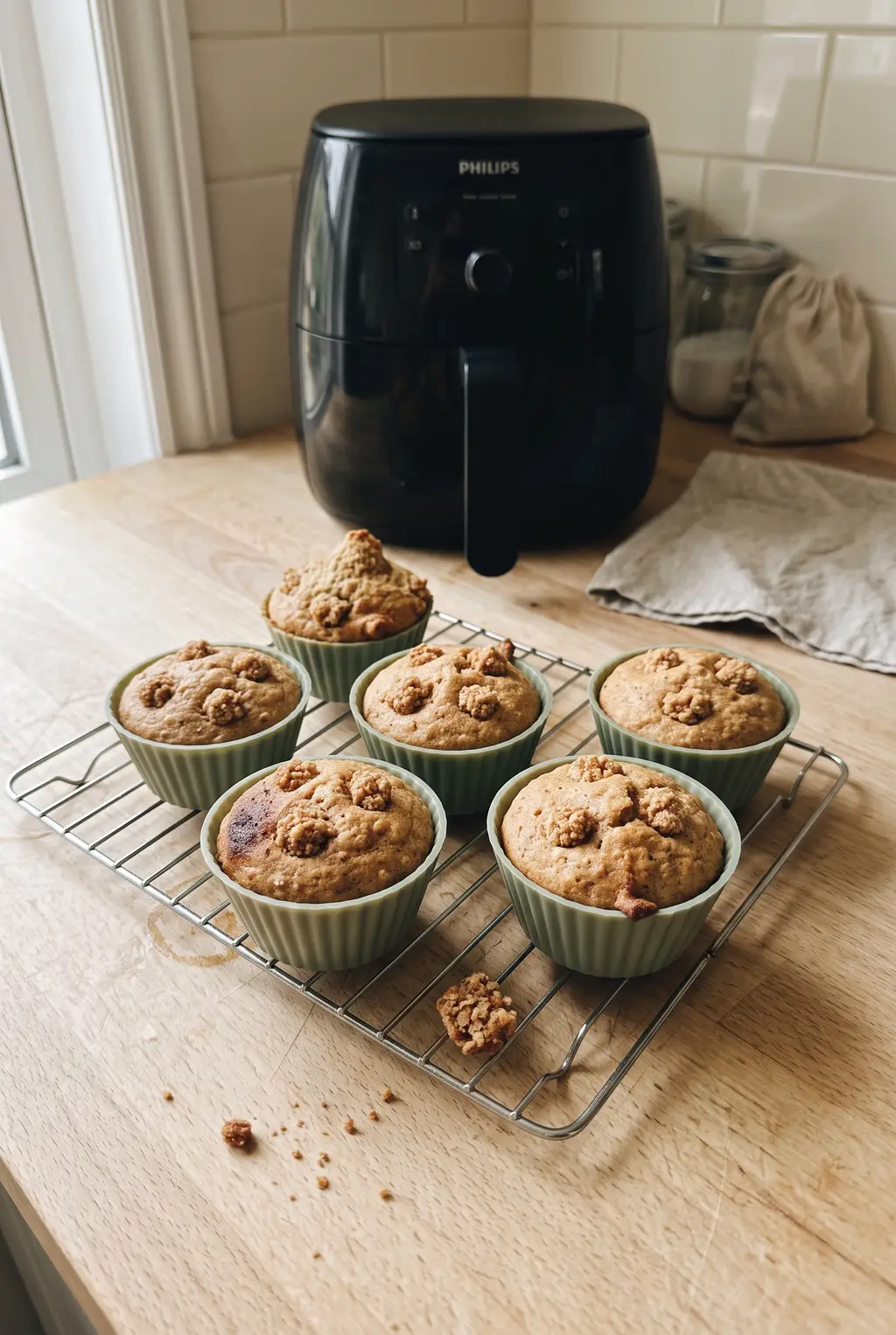
I once served a plate of oatmeal muffins to a friend who took a bite, chewed thoughtfully, and asked whether they were supposed to be like this. They were not. They were gummy in a ring around the center, dense as regret at the bottom, and I had followed the recipe exactly, which was the problem, because the recipe had told me to stir raw oats into the batter and bake immediately. Raw rolled oats are thirsty. Put them into batter and straight into heat, and they spend the whole bake drinking moisture out of the crumb around them, half-softening into exactly the texture my friend was too polite to name.
The muffin that replaced it, this one, changed almost nothing except the order of operations, and the difference is the entire recipe. But before the method, this keyword needs a fork in the road made visible, because the pages ranking for it are quietly split between two different foods, and choosing wrong is how a person expecting a muffin ends up eating a health puck at 7 a.m. wondering where their life turned.
Quick answer: Soak old-fashioned rolled oats in the recipe's buttermilk for 20 minutes before mixing; the oats soften, stop stealing moisture from the crumb, and become a reservoir instead of a thief. Build a standard muffin batter around them, top with a clumped oat-and-sugar crown, and bake in rigid silicone cups at 320F for 14 to 16 minutes to a 205F center. For flourless baked oatmeal cups instead, the conversion is in its own section below: more oats, no flour, banana for structure, same machine settings.
Two breakfasts, one keyword, choose on purpose
A true oatmeal muffin is a muffin first: flour, leavening, butter or oil, a tender crumb, with soaked oats woven through it for texture, nutrition, and that faint toasted-grain sweetness. It eats like a bakery muffin with a conscience. A baked oatmeal cup is oatmeal first: no flour at all, just oats bound with egg, milk, and usually mashed banana, baked into a portable, chewy, dense round that is really a bowl of oatmeal you can put in a coat pocket. It eats like breakfast meal prep, because it is. Neither is wrong; they are different foods for different mornings, and the recipes ranking for this keyword hand you one or the other at random without labeling the difference. This page's main recipe is the true muffin, because that is what most people typing this phrase are hungry for, and the oatmeal cup gets its own honest conversion further down instead of being smuggled in as a substitute.
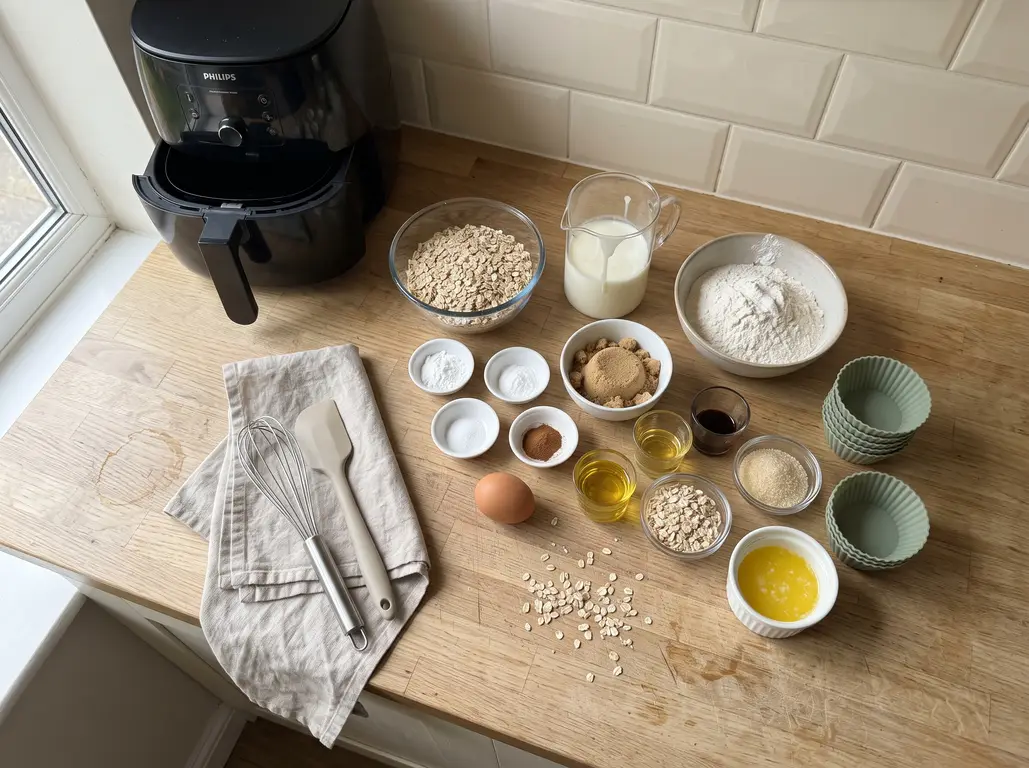
The soak: the whole trick in one bowl
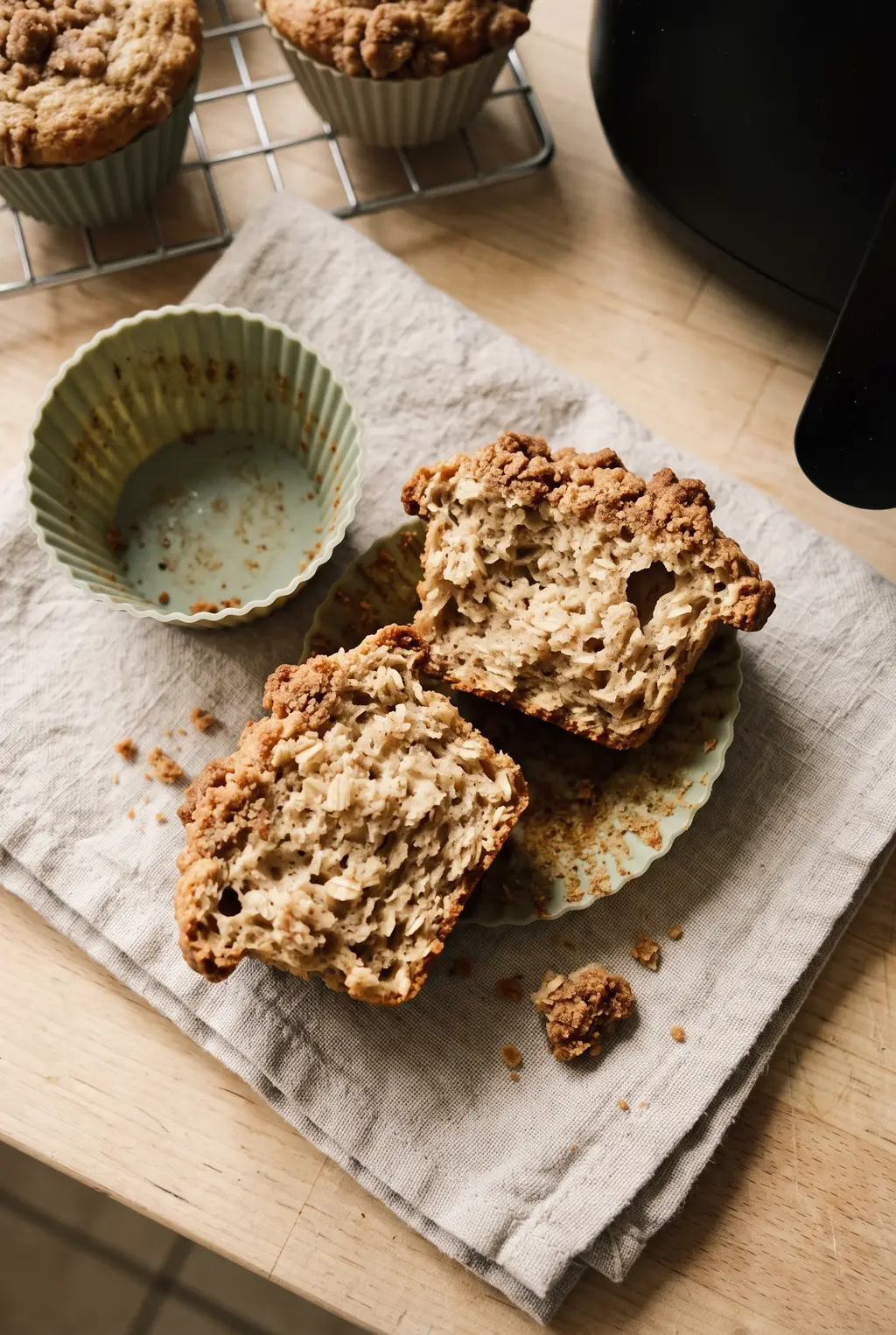
Here is the mechanism, because knowing it beats memorizing it. A rolled oat is a steamed, flattened, dried flake designed to rehydrate, and it will take its water from wherever water exists. Fold dry oats into batter and bake immediately, and the oats do their rehydrating inside the oven, pulling moisture out of the surrounding crumb during exactly the minutes the crumb needed that moisture to set tender. The result is the double texture failure every oatmeal muffin complaint describes: gummy right around each oat, dry in between. The soak simply moves that rehydration to before the mixing: oats and buttermilk together in a bowl, 20 minutes on the counter while you do everything else. The oats swell, soften, and arrive in the batter already satisfied, at which point they flip from moisture thieves to moisture reservoirs, releasing a little back into the crumb as it bakes and for days afterward, which is why soaked-oat muffins stay moist on Thursday when their unsoaked cousins have gone to sawdust. If your basket runs dry to begin with, the dry bakes guide stacks neatly on top of the soak. Twenty minutes, zero effort, the entire difference, and it slots into the same do-something-else window as the batter rest this site's other muffins use.
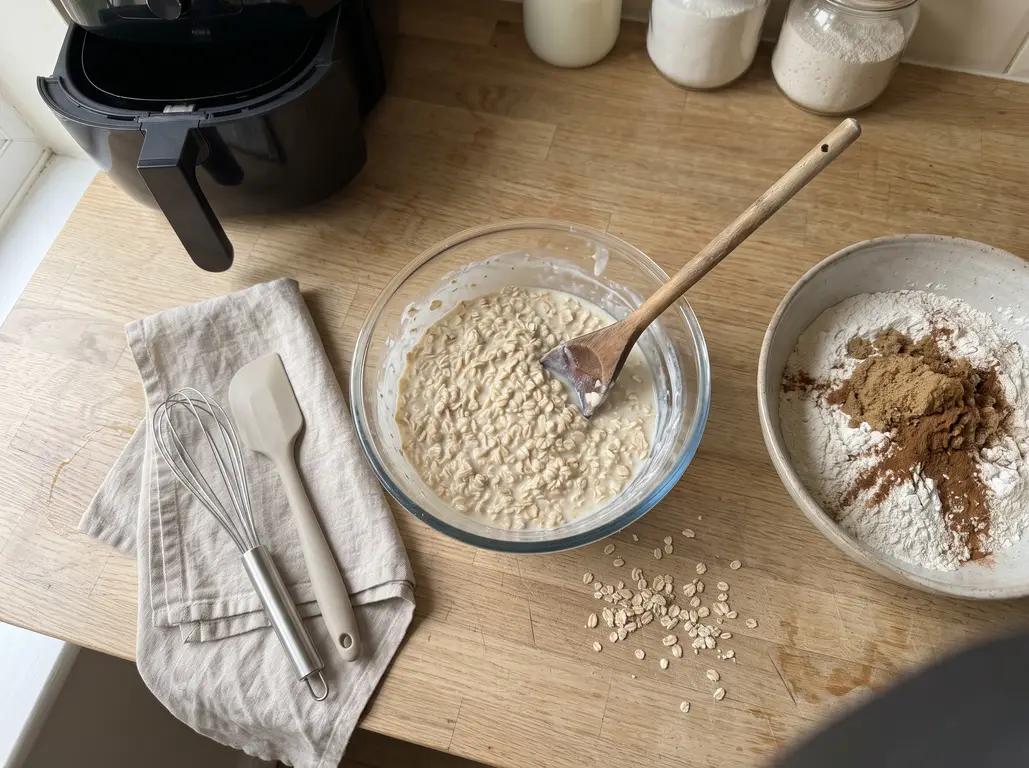
Which oats, settled in a paragraph
Old-fashioned rolled oats are the answer: they survive the soak and the bake with their flake identity intact, giving the crumb definition and chew in the right proportion. Quick oats are legal but lesser, rolled thinner and broken smaller, so they half-dissolve and push the crumb toward soft and slightly denser; use them at the same measure and expect a more uniform, less interesting muffin. Steel-cut oats are banned without appeal: they are cut groats, not flakes, need twenty-plus minutes of real simmering to soften, and no soak or bake this side of porridge will save your teeth from them in a muffin. The same soaked-versus-raw oat logic decides the chew in the oatmeal cookies, and it drives the whole-grain crumb in the bran muffins and the morning glory muffins next door on the healthy shelf. Instant flavored packets bring their own sugar and salt and wreck the recipe's ratios, the same pre-seasoned-ingredient problem this site flags on every shelf. If a canister is unlabeled: fat whole flakes are old-fashioned, small broken bits are quick, little pellets are steel-cut, and the pellets go back in the pantry.
The oat-sugar crown, clumped per house law
The topping that makes these look like they came from a bakery case is raw oats, coarse sugar, a spoonful of flour, and melted butter, rubbed together and then squeezed, because the fan rule that governs every crumb topping in this machine applies to oat flakes doubly: a dry oat flake is a sail, and a sailed flake ends up scorched on the element instead of toasted on your muffin. Squeezed into small clusters, the topping has the mass to hold its seat, and the flakes toast to a nutty crunch that advertises the muffin's whole personality from the first glance. Press the clusters gently into the batter so the rising crown locks them in. This is the identical physics behind the streusel rules on this site's other muffins and the crumble's clump law, applied to the one topping ingredient the fan wants most.
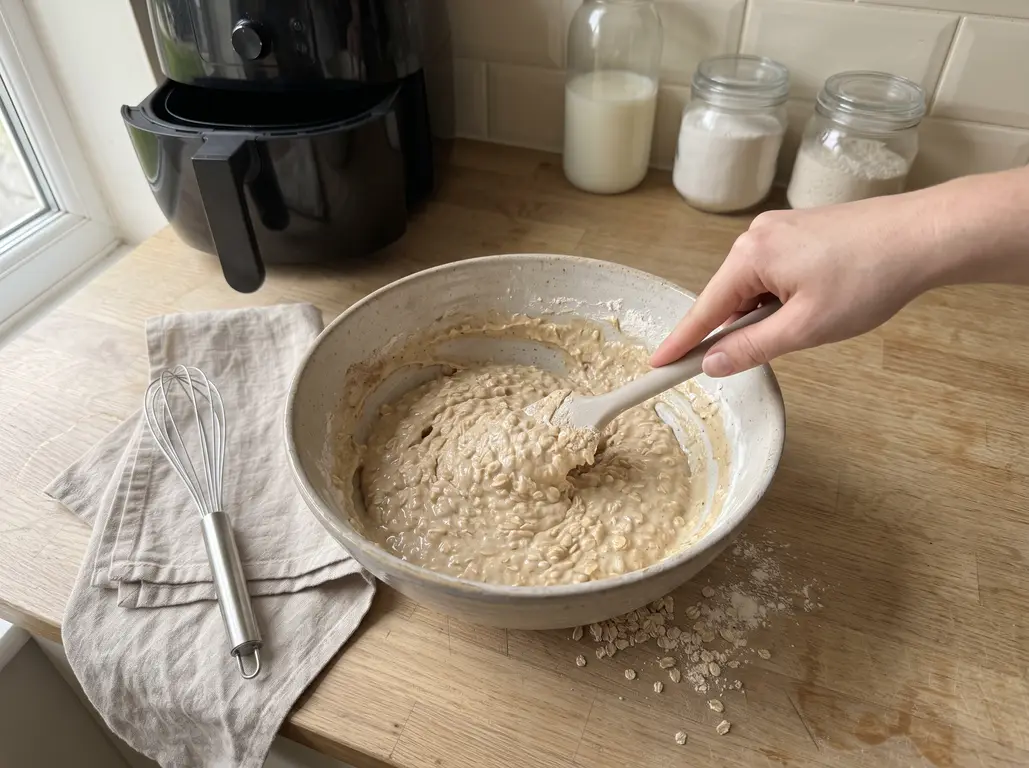
The bake, house rules, briefly
The hardware and numbers follow standing muffin doctrine. Rigid silicone cups per the silicone molds guide, four or five per batch, filled three-quarters full. 320F rather than an oven recipe's 350F, the close-element discount the air fryer calculator applies to anything you convert; oat batters run a minute or two longer than plain ones because the soaked oats hold extra water, so expect 14 to 16 minutes. Rotate the cups a half turn at minute 8 if your machine has a known hot corner. Done is 205F on an instant-read probe in the middle muffin, and the probe matters more here than anywhere else on the muffin shelf, because an oat crumb reads moist on a toothpick even when perfectly baked, and the gummy-center complaint is half the time just an underbaked muffin pulled on looks. Carryover finishes the last degrees on the rack, the second batch runs a minute quick, pale silicone walls get the standard 2 minute decup finish at 340F if you want bronze, and the tested settings for the whole quick-bread family live in the baking chart. If you are weighing tray-size against batch count, the mini versus jumbo guide has the timing math.
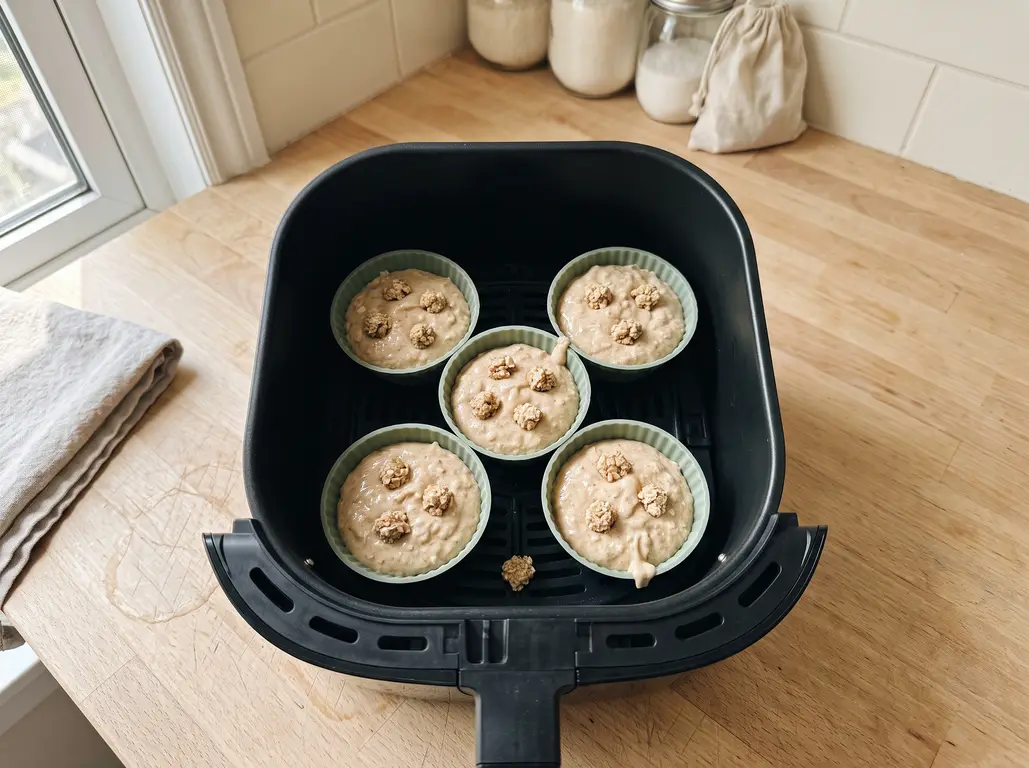
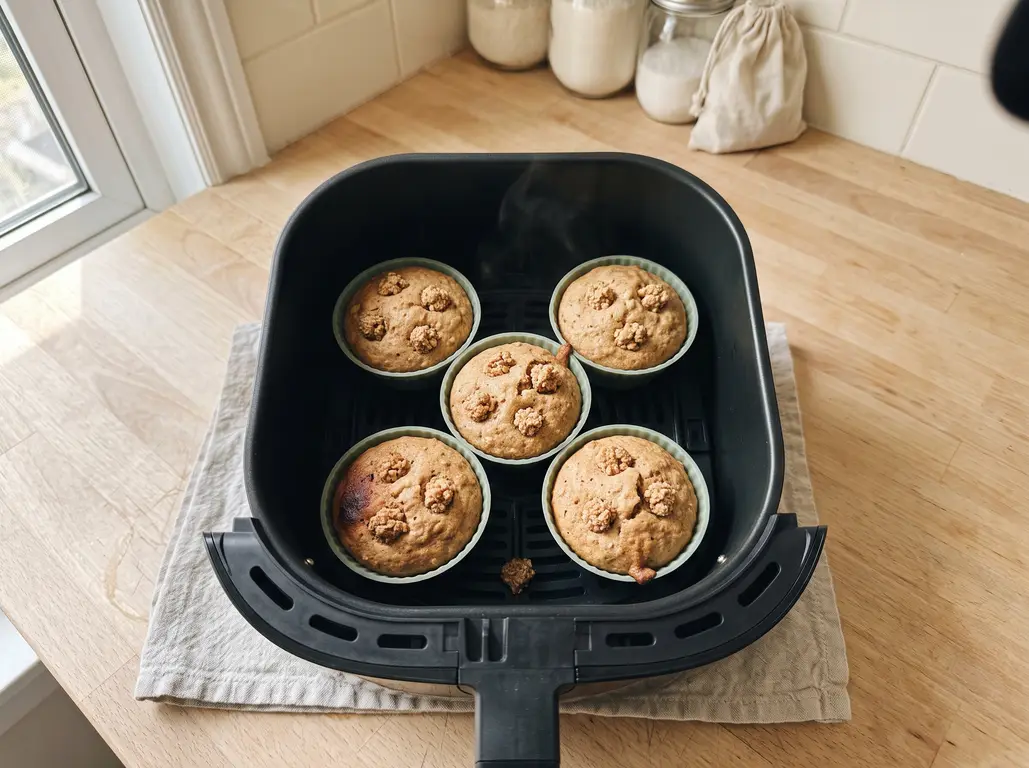
The baked oatmeal cup conversion, honestly labeled
For the mornings that want the other breakfast, here is the flourless version as a conversion instead of a separate recipe: replace the flour entirely with a second cup of old-fashioned oats, skip the soak (the wetter batter and longer sit handle it), swap the butter for two mashed ripe bananas or 3/4 cup of applesauce, keep both eggs, drop the sugar to a quarter cup of maple syrup, and keep the baking powder, salt, cinnamon, and vanilla. Stir, rest 10 minutes so the oats begin drinking, fill the same cups, and bake at the same 320F for 12 to 14 minutes until set and 200F inside; oatmeal cups forgive more than muffins do. What comes out is dense, chewy, honest meal prep that keeps 5 days refrigerated and reheats in 2 minutes, kin to a granola bar that went to college. Stir-ins work identically in both versions: a half cup of blueberries, chocolate chips, chopped nuts, or raisins, folded in last. The related shelf runs from the banana muffins and the blueberry muffins for the fruit-first mornings, through the carrot muffins for another whole-grain option, and into the healthy air fryer recipes hub when breakfast wants to behave, with the small batch guide covering the freeze-the-labor move both versions of this recipe support: portion, freeze in the cups, bake from frozen with 3 extra minutes.
Frequently asked questions
QCan you make oatmeal muffins in an air fryer?
Yes, in rigid silicone cups at 320F for 14 to 16 minutes, four or five per batch, pulled at 205F in the center. The step that decides everything happens before the machine turns on: soak the rolled oats in the recipe's buttermilk for 20 minutes so they soften and stop pulling moisture out of the crumb during the bake. Soaked oats give a tender muffin with defined oat texture; raw oats give the gummy ring the genre is infamous for.
QWhy are my oatmeal muffins gummy in the middle?
Two causes, often stacked. First, unsoaked oats: raw flakes rehydrate during the bake by drinking moisture from the surrounding crumb, creating a gummy halo around each oat. Soaking the oats in the recipe's liquid for 20 minutes before mixing fixes it at the source. Second, underbaking: an oat crumb reads moist on a toothpick even when done, which tempts early pulls. Verify 205F in the center with a thermometer and the gummy middle disappears from your life.
QShould I use old-fashioned or quick oats in muffins?
Old-fashioned rolled oats, for texture that survives the bake: the flakes stay identifiable and give the crumb its pleasant chew. Quick oats work at the same measure but are thinner and more broken, so they partially dissolve and produce a softer, denser, more uniform muffin. Steel-cut oats never work in muffins; they are cut grain pieces that need long simmering and will bake up hard. Flavored instant packets bring their own sugar and salt and unbalance the recipe.
QDo I have to soak the oats first?
For this style of muffin, yes, and it is the least demanding step in baking: oats and buttermilk in a bowl, 20 minutes on the counter, zero attention required while you measure everything else. The soak moves the oats' rehydration to before the bake, so they enter the batter as softened moisture reservoirs instead of dry sponges. It is also why these muffins stay moist for days. The only version that skips the soak is the flourless baked oatmeal cup, whose wetter batter does the job during its rest.
QWhat is the difference between oatmeal muffins and baked oatmeal cups?
An oatmeal muffin is a muffin first: flour, leavening, and fat build a tender bakery crumb, with soaked oats woven in for texture. A baked oatmeal cup contains no flour at all: it is oats bound with egg, milk, and mashed banana or applesauce, baked into a dense, chewy, portable round that is essentially a bowl of oatmeal in solid form. The muffin eats like a treat with substance; the cup eats like meal prep. Both bake in the same silicone cups at the same 320F.
QWhat temperature do you bake muffins in an air fryer?
320F, with oat muffins running 14 to 16 minutes, a minute or two longer than plain muffins because the soaked oats carry extra water into the crumb. The setting is a deliberate notch under the oven-standard 350F, since the air fryer's element sits close above the crowns and moving air delivers heat harder at the same number. Verify doneness at 205F in the center of the middle muffin; the crown's color and the toothpick both mislead on oat batters.
QHow do I keep the oat topping from blowing off?
Clump it. A dry oat flake is the most flight-prone topping ingredient in the machine, so the crown mixture of oats, coarse sugar, flour, and melted butter gets squeezed in your fist into firm masses, then broken into small clusters and pressed gently into the batter's surface. The clusters have the weight to stay seated and toast into a nutty, crunchy crown; loose sprinkled oats end up scorched in the drawer. It is the same clump law every crumb topping on this site follows.
QAre oatmeal muffins healthy?
Healthier than most of the muffin case, honestly framed: whole-grain oats bring fiber that plain flour muffins lack, this recipe runs moderate on sugar, and the flourless baked oatmeal cup conversion drops the refined flour entirely and sweetens with fruit and maple syrup. But a muffin with a sugar crown is still a treat, not a salad. The honest hierarchy: the oatmeal cup is a solid everyday breakfast, the true muffin is a better-than-average indulgence, and both beat the coffee shop version by a mile.
QHow do you store oatmeal muffins?
The soaked oats are natural preservation: these keep moist 3 to 4 days airtight at room temperature, a day longer than most muffins, with a paper towel above and below to manage the surface. Baked muffins freeze for 2 months and revive at 320F for 3 to 4 minutes in the basket. Baked oatmeal cups keep 5 days refrigerated, which is their whole career as meal prep. Both versions also freeze as raw batter portioned in silicone cups, baking from frozen with about 3 extra minutes.
Never overbake again
Get our one-page times & temps cheat sheet, plus a new tested recipe each week.
No spam · unsubscribe anytime